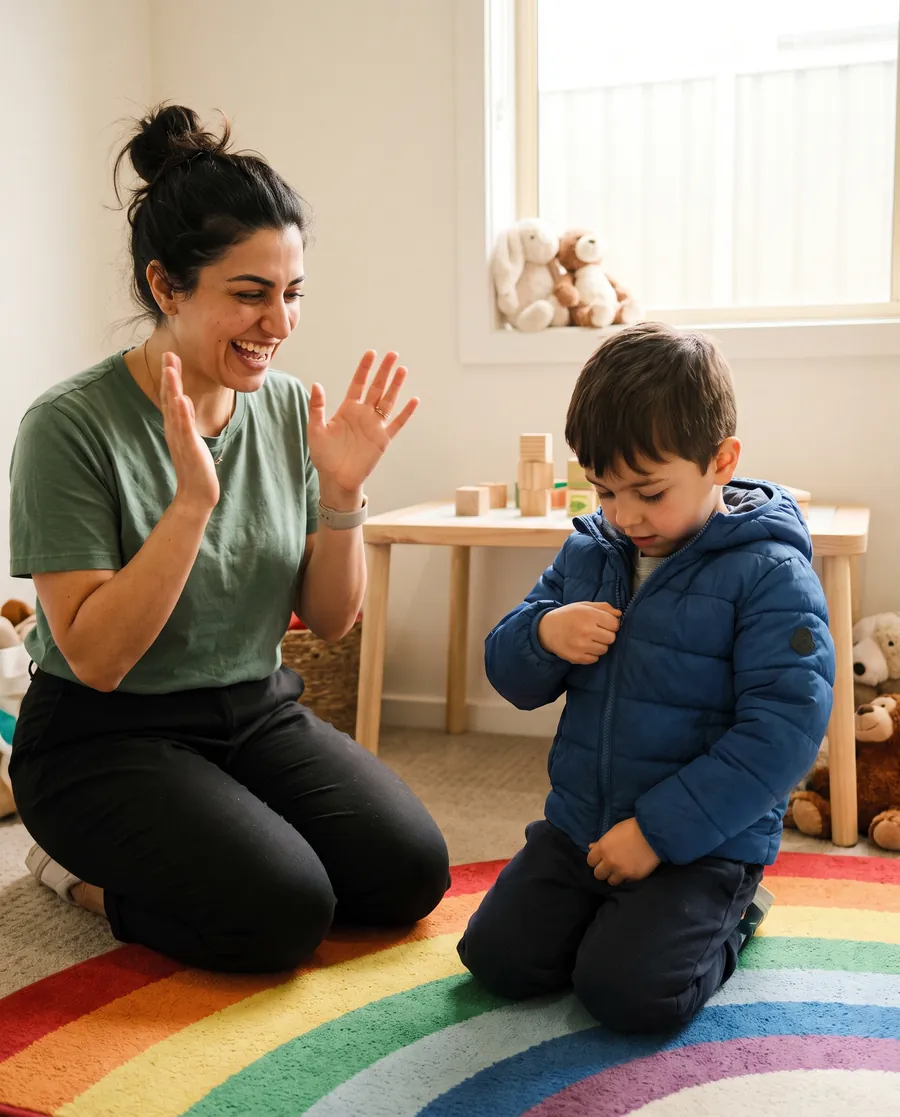
Therapy appointments
Regular sessions on the tricky bits you choose, at the clinic, at home or at school. Usually a block of weekly or fortnightly sessions, then we review together.
Occupational therapy for children from 2 to 12 in Gungahlin: at our clinic, at home or at school.
Tap the one that sounds like your house at 8am. You don’t need the clinical word for it.
Not sure which?
Tell us about a normal morning. We’ll work out the rest together.Checked every Friday by Tegan.
Getting on the list costs nothing and needs no reports or records yet. If someone else could see you sooner, Tegan will tell you.
They’re different jobs, so they have different ways in.
Regular sessions on the tricky bits you choose, at the clinic, at home or at school. Usually a block of weekly or fortnightly sessions, then we review together.
When you need it in writing: for an NDIS plan review, for school, or for your GP or paediatrician. We ask what it’s for and quote the hours before we start. A report describes how everyday tasks are going; it isn’t a diagnosis, and it can’t promise a funding decision.
Teacher, GP or support coordinator? You can refer a child with their parent’s OK, using the same enquiry or by calling (02) 5550 0915.
90 minutes at the clinic, $330. You and your child come together.
For the first half hour we mostly talk with you: the day, what’s tricky, what your child wants to do. Rather talk without your child there first? Ask for a parent-only start.
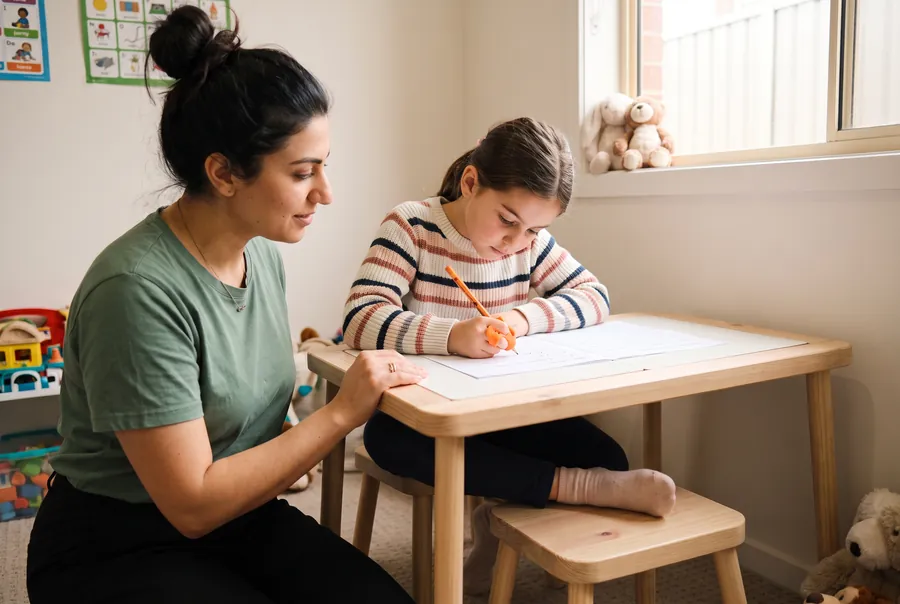
A zip, a drawing, a ball, a lunchbox lid. It’s play, not a test.
Two or three goals, and a short written summary within a week.
Clinic, home or school. Most families start at the clinic. Home and school visits (with your OK and the school’s) are on Tuesdays and Thursdays.
Underneath, every session is practice at something your child wants to be able to do.
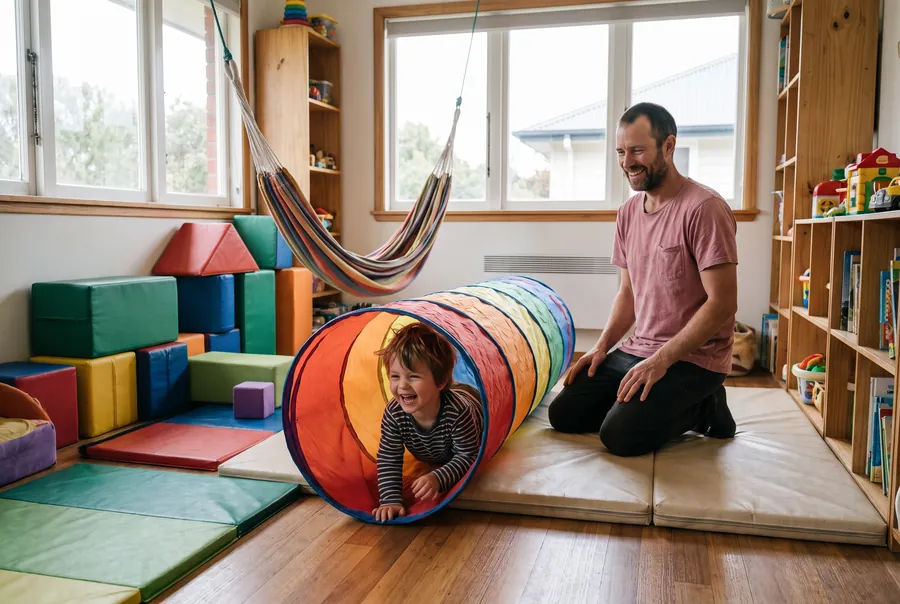

Home and school visits in Gungahlin and nearby northern Canberra suburbs, including:
Further away? Ask. Travel is always quoted before a visit.
Our private fees, before any rebate.
Included: the time with your child, a talk with you at the end, session notes, and a home practice sheet when it helps.
Pay by card on the day; Medicare and private health can be claimed on the spot. Cancel by 9am the working day before at no charge; later than that it’s $110, unless your child is sick. NDIS cancellations follow your service agreement.
Each has its own rules, so we keep them apart. We’ll help you check which fits, but we can’t promise anyone is eligible.
With a GP chronic condition management plan, Medicare pays a rebate on up to 5 allied health visits a calendar year. The 5 are shared across every allied health professional your child sees, so OT, speech pathology and physio all count towards the same 5.
Children and young people under 25 with an eligible diagnosis may also use a separate Medicare pathway, with the right referral. Ask your GP or paediatrician whether it applies.
Pinwheel is not a registered NDIS provider, so we can see children whose plans are plan-managed or self-managed, but not NDIA-managed (agency-managed) plans.
For NDIS families we charge the NDIS price limit for occupational therapy, never more, and the hourly rate is written into your service agreement before you start. Travel and report time are quoted separately and written in too.
If your child holds a DVA Veteran Card and has a referral, OT is covered in courses of up to 12 sessions or one year, whichever comes first. There’s no gap fee for you to pay.
Some extras policies pay a benefit for occupational therapy and some don’t. Ask your fund what you’d get back for OT and how much of your yearly limit is left. If you’re covered, we can claim on the spot.
Heard of Thriving Kids? It’s a government program for children 8 and under. It isn’t a way to pay for sessions here, but we’re happy to talk about where it might fit.
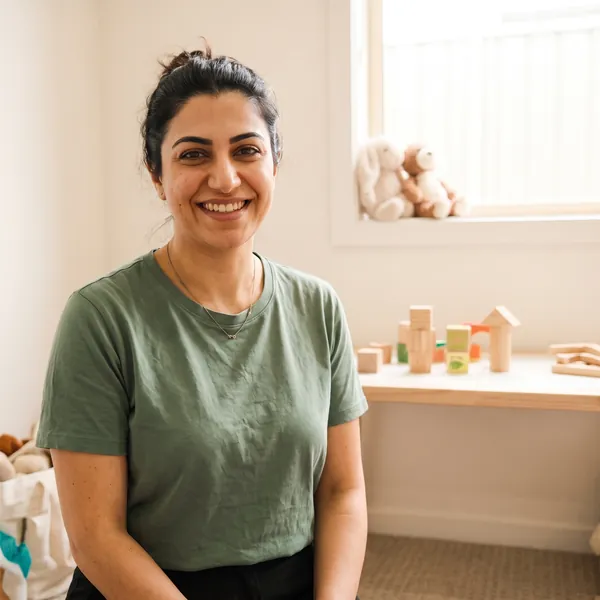
Occupational therapist and principal
Bachelor of Occupational Therapy. Registered with the Occupational Therapy Board of Australia.
Twelve years with children, in schools and clinics. Mostly handwriting, dressing and morning routines. Speaks English and Farsi.
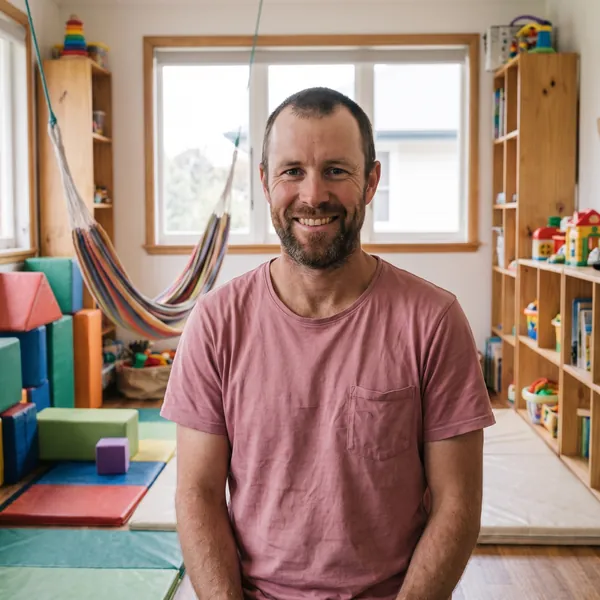
Occupational therapist
Master of Occupational Therapy. Registered with the Occupational Therapy Board of Australia.
Play, coordination and the noisy parts of a school day. Does most home and school visits.
Tegan Walsh, intake coordinator, answers the phone, runs the waitlist and books visits. She’s usually your first call.
Check any practitioner on the Ahpra register. We don’t publish reviews or stories about the children we see.
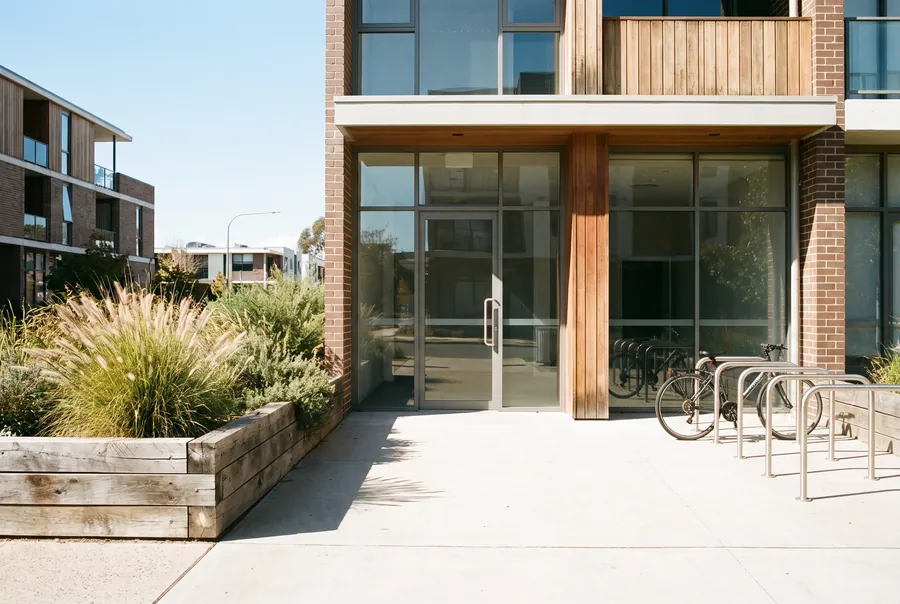
33 Gungahlin Place, Gungahlin ACT 2912. Ground floor.
Level from the footpath, with room for prams and wheelchairs. Bike racks out the front.
A short walk from the light rail at the Gungahlin Place stop.
A quiet room to wait in, if the waiting area is too busy. Just ask.
Mon to Fri, 9am to 5pm
Home and school visits by arrangement, Tuesdays and Thursdays. We don’t offer an after-hours or emergency service.
No. You can get in touch yourself. A GP plan or referral only matters if you want to claim from Medicare, and DVA needs a referral too.
Children from 2 to 12. We don’t see adults; if you need an adult OT, Tegan can suggest where to look.
Yes, on Tuesdays and Thursdays, with your OK and the school’s. We visit schools in Gungahlin and nearby northern suburbs. Travel is quoted first.
It depends on the goals you choose. We agree a block of sessions, then review it with you before booking more. Some families only need a few.
Tell us. You can pause or stop at any time. If you’re moving to another therapist, we can send them a summary with your permission.
If something doesn’t feel right, you can tell any grown-up you trust. You won’t be in trouble.
Pinwheel follows the ACT Child Safe Standards. Everyone who works here holds Working with Vulnerable People registration, and a parent or carer stays in the building during clinic sessions.
To raise a concern, about us or about anything a child has told you:
Tegan replies within two working days, tells you honestly how long the wait is, and only asks what she needs.