Hurt at work, on the road or in a public place?
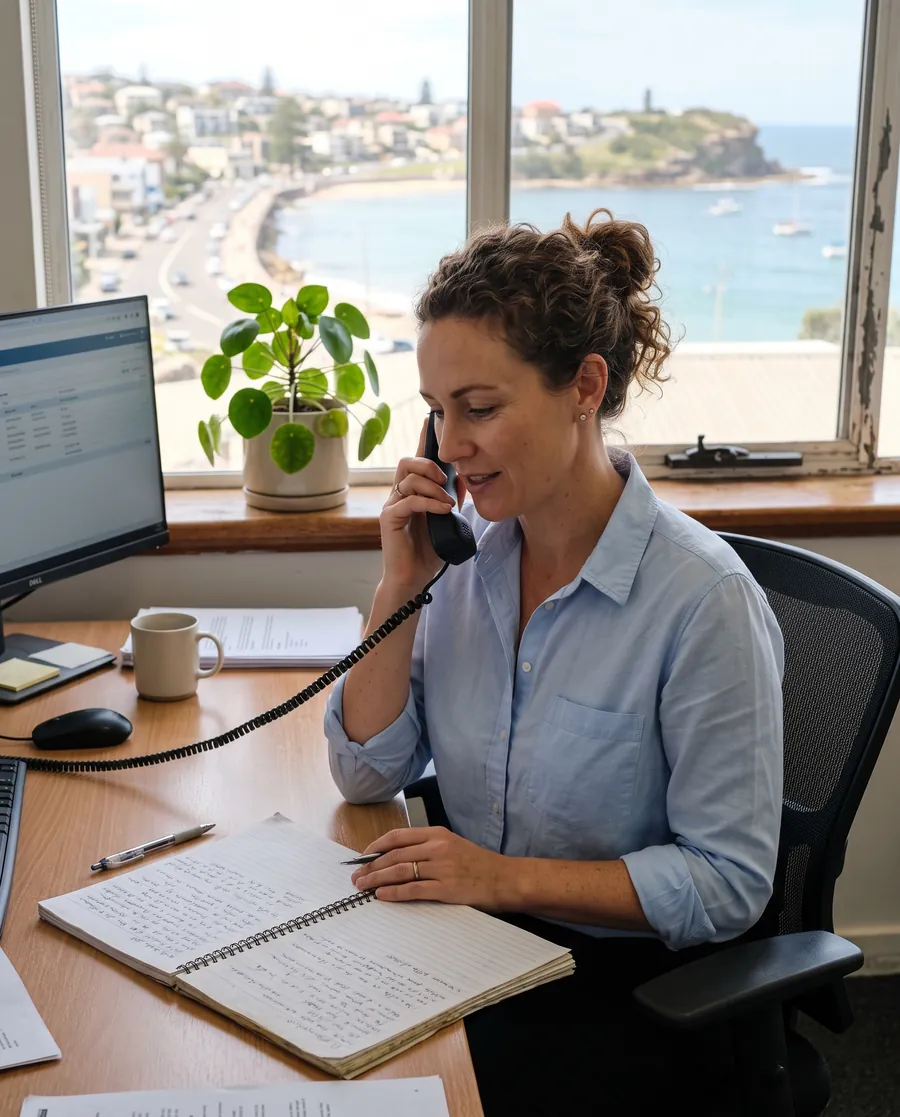
Injury lawyers on Mann Street, Gosford, for NSW claims. Ring and a person answers.
-
If your claim doesn’t succeed, you don’t pay our professional fees. You may still owe expenses paid along the way and, if it went to court, some of the other side’s legal costs.
Every condition is in your costs agreement, in writing, before you sign. Read each one in plain words.
-
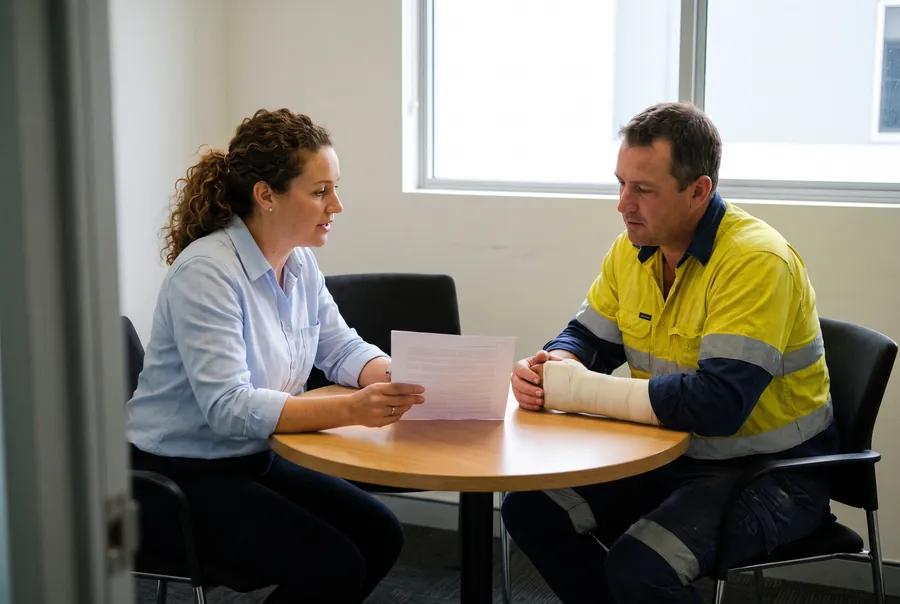
Up to 30 minutes with a lawyer, by phone, video or here. We hear what happened, say whether we can help and what would come next, and what that could cost.
It isn’t written advice on your claim, and it doesn’t mean we’re acting for you yet.
Mon to Fri, 9am to 5pm. (02) 5550 0718
Where did it happen?
Start with what happened. We’ll work out the legal side with you.
Hurt at work
Workers’ compensation in NSW: an injury at work, or on the job somewhere else.
Usually firstThe insurer’s decision. If your claim was rejected, weekly payments stopped or treatment was refused, call with the letter in front of you.
We help with rejected claims, stopped payments, refused treatment, and claims for work injury damages. For eligible workers’ claims,
The NSW Independent Review Office keeps a list of approved lawyers and can fund legal help for eligible workers’ compensation matters. It needs an application and approval, and it doesn’t cover road crash claims.
On the first call we’ll tell you whether it could apply to you, and whether we can act for you under it or you’d need an approved lawyer.
Hurt on the road
A crash in NSW, as a driver, passenger, rider, cyclist or pedestrian.
Usually firstTreatment and help with lost income while you recover, before anyone talks about a lump sum.
We help with claims against the other vehicle’s CTP insurer, and disputes when the insurer says no.
Hurt in a public place
A fall in a shop, a rental, a public building, or on someone else’s property.
Usually firstA note of where and when it happened, and who you told. We work out with you who may be responsible.
We help with public liability claims against owners, landlords, councils and businesses in NSW.
A serious injury, or not sure
If you can’t work, or more than one claim might apply, start with a call. We look at the whole picture: work, road and public place claims together.
Usually firstA conversation. Someone in your family can make the first call for you, and we can come to the hospital.
The fine print, in large print.
What you might pay, and when. Each asterisk opens the plain words. All of it is in your costs agreement before you sign.
-
Talking to us first
What it covers: up to 30 minutes with Megan or Rhys, by phone, video or in person. We hear what happened, tell you whether we can help, what would come next, and what it could cost.
What it isn’t: written advice on your claim, or an agreement that we’re acting for you.
-
What counts as a win
A “win” is whatever your costs agreement says it is, usually a settlement or a decision that pays you compensation. We go through that definition with you before you sign, so you know exactly when our fees become payable.
-
If your claim succeeds
Our professional fees for the work done, and possibly an uplift: an extra amount on top of those fees for taking the risk of not being paid. NSW law caps the uplift, and it’s worked out on our fees, not on your compensation.
Lawyers in NSW can’t charge a percentage of what you’re awarded, and we don’t.
-
Expenses along the way
Things paid to other people during a claim, like medical reports, copies of records and court filing fees. Your agreement says who pays them, when, and what happens to them if the claim doesn’t succeed.
We tell you before a large one is spent.
-
If your claim doesn’t succeed
You don’t pay our professional fees. That doesn’t always mean nothing to pay: you may still owe expenses, depending on your agreement.
And if a case goes to court and is lost, the court can order you to pay some of the other side’s legal costs. We talk that risk through with you before any step that raises it.
-
If you want to stop
You can end the agreement. It says what you’d owe for the work already done and when that’s payable, and when we could end it too. We read that part with you before you sign, not after.
-
What you’ll keep
The amount paid isn’t the amount you keep. Medicare and the NDIS may need to be paid back from compensation, and legal costs and expenses come out too.
We can’t promise a figure. We go through the likely deductions for your claim before you decide anything.
Before you sign, you get all of this in writing: what we’d do, how we charge, the expenses we expect, and what you’d owe if the claim fails or you stop.
Is it too late to claim?
Maybe not. But don’t work it out alone.
Deadlines depend on the kind of claim and the dates involved: when you were hurt, when you told someone, and any letters since. There’s no single deadline that fits everyone, so we don’t publish one.
Call early, even if you’re not sure you have a claim. We’ll tell you which dates matter for yours.
Call (02) 5550 0718Handy for the first call
- Roughly when it happenedA month is fine if you can’t remember the day.
- A few lines on what happenedIn your own words. Short is fine.
- Any letters about the claimFrom an insurer or your employer, especially a decision.
- Not your medical records yetWe’ll ask for what we need later, and send you a secure way to share it.
Talk to a person first.
Call, or tell us when to call you. If talking’s hard right now, there’s a short form below.
You call, or ask us to
Bree takes your name and a number, and checks when it’s safe to call.
We check we can act
Names only, to make sure we haven’t acted for the other side.
Your free first conversation
With Megan or Rhys, by phone, video or in person. Bring someone if you like.
Your options, in writing
If we can help, what we’d do and what it could cost. Nothing starts until you’ve signed.
Calling or sending a form doesn’t make us your lawyers. We check first that we can act, and then you decide.
Thanks.
Bree reads notes in office hours and will reply the way you asked:
This is a demonstration. Nothing was sent.
Who you’ll talk to
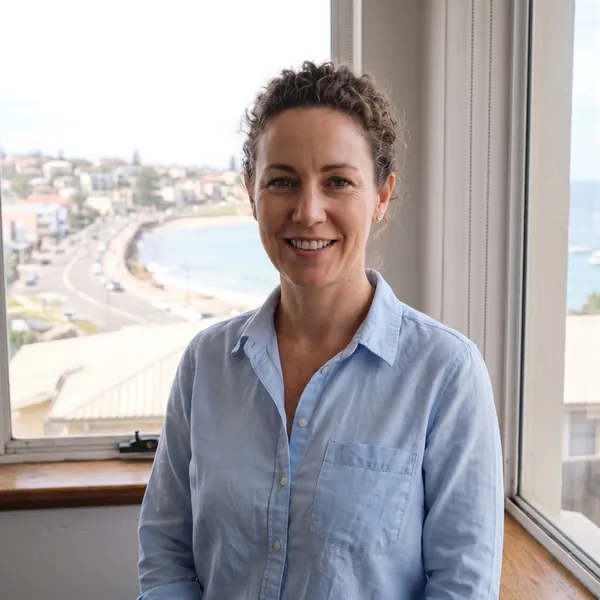
Megan Sutter
Principal Solicitor
Megan runs Ternbank and takes most first conversations herself. Her work is NSW workers’ compensation disputes, road injury claims and public place injuries. She holds a current NSW practising certificate.
-
Rhys Kanakis
Solicitor
Works on road injury and public place claims, and sees first conversations by video.
-
Bree Halloran
Intake Coordinator
Answers the phone and arranges callbacks. She isn’t a lawyer, so she won’t advise, but she’ll get you to one.
Every solicitor practising in NSW must hold a practising certificate. Check ours on the Law Society of NSW register
No “accredited specialist” here. Nobody at Ternbank holds that accreditation, so you won’t see the word. You also won’t see payout figures or win rates: someone else’s result says nothing about your claim.
Come in, or we’ll come to you
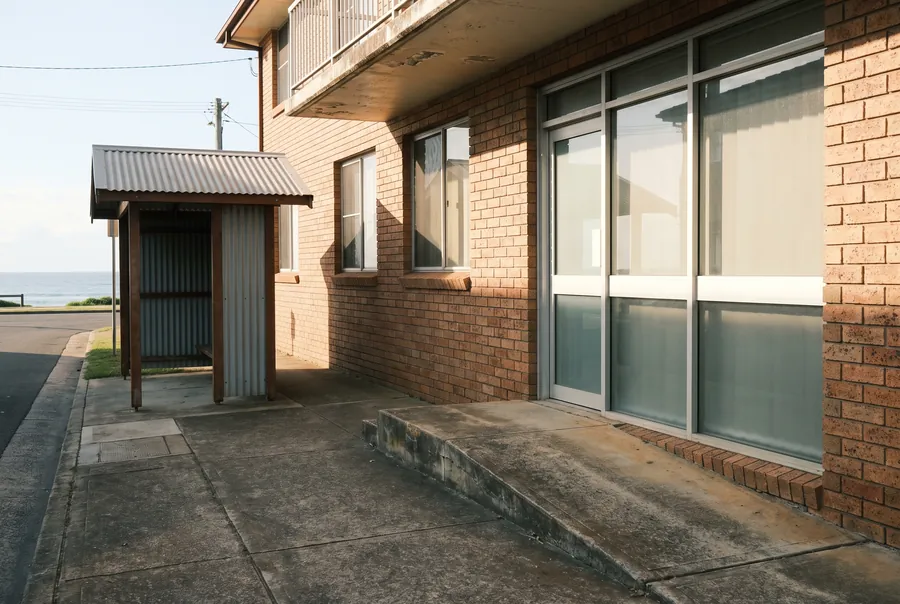
- Step-freeA ramp at the front and a ground-floor meeting room.
- Phone or videoEvery appointment can be by phone or video if getting here is hard.
- Home or hospitalVisits by arrangement anywhere on the Central Coast.
- An interpreterTell Bree the language and we’ll book a phone interpreter.
- Address
- 45 Mann Street
Gosford NSW 2250 - Phone
- (02) 5550 0718
- Hours
- Monday to Friday, 9am to 5pm
Questions people ask Bree
Can you help with my kind of injury?
If it happened in NSW, at work, on the road or in a public place, probably. The first conversation tells us whether we can act. If we can’t, we’ll say so and tell you where to look.
Does no win, no fee mean I can’t owe anything?
No. You may still owe expenses, and if a case is lost in court, some of the other side’s costs. The fine print has each condition in plain words.
Will I have to go to court?
We can’t promise either way. A claim can move through assessment, negotiation and dispute resolution before any hearing. We tell you which steps are likely for yours, and nothing goes to court without your say.
How long does a claim take?
It depends on the claim, the injury and the insurer, so we won’t guess a timetable here. After the first conversation we’ll tell you what the next stages are.
Can I call about an injured relative?
Yes. We’ll ask who the injured person is, whether they’re happy for you to speak for them, and the safest way to reach them. If it’s about a child, we’ll work out with you who can give instructions.
Not sure you have a claim?
That’s what the first conversation is for. It’s free, and no one will push you to sign.