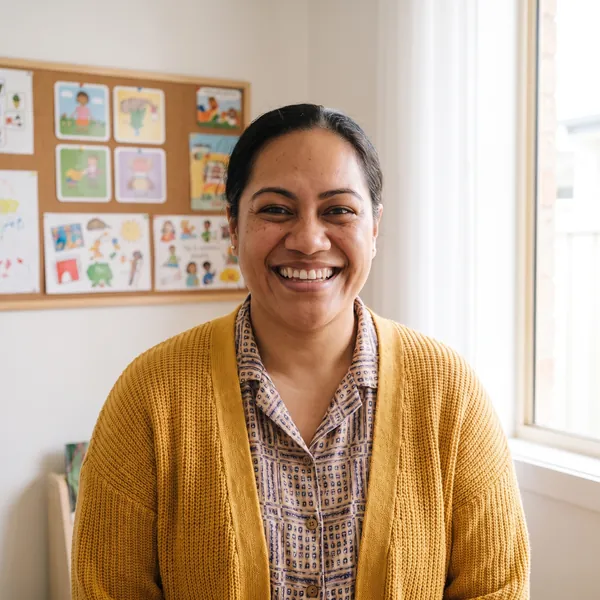
Mele Fifita
Speech Pathologist, practice owner
Bachelor of Speech Pathology (Honours). Certified Practising Speech Pathologist (CPSP).
Works mostly with young children: talking, understanding and AAC. Speaks English and Tongan.
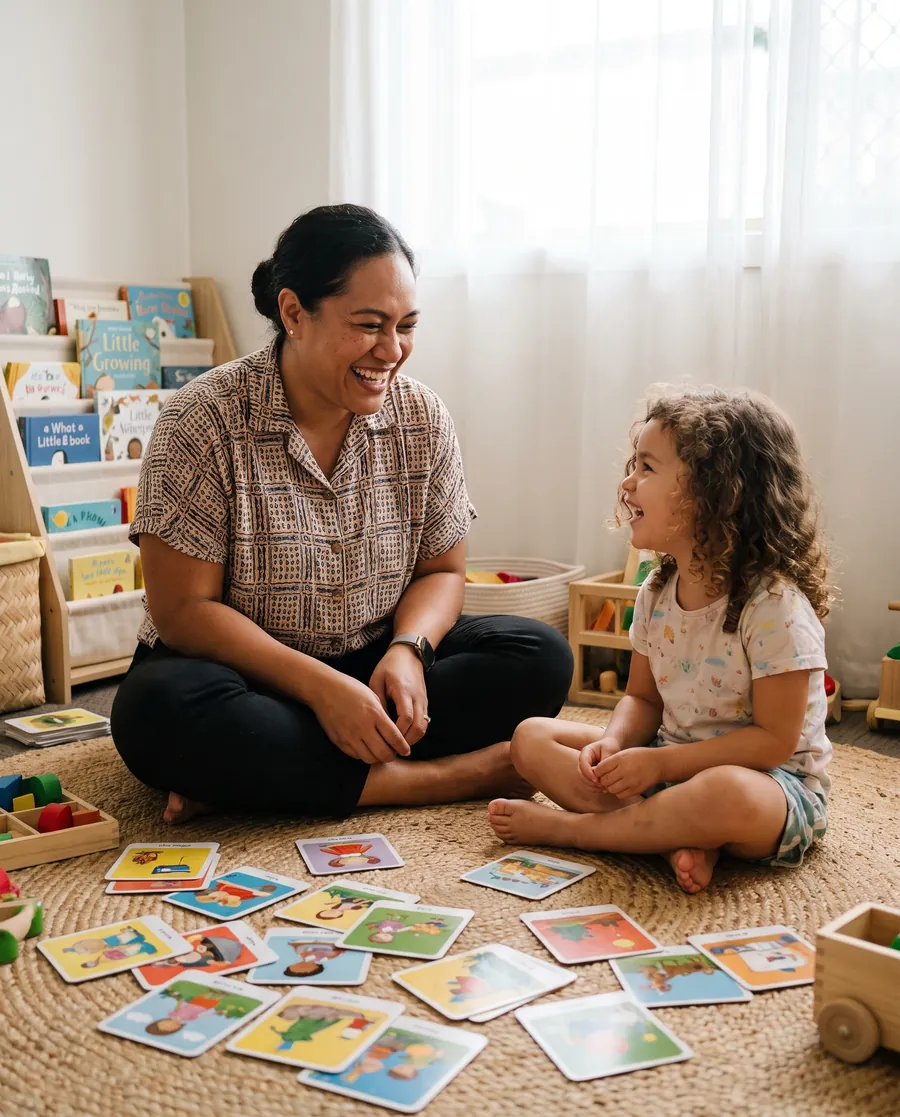
Tap a card to turn it over. You don’t need the right word for it.
Speech that’s hard to understand, late talking, or few words.
Following what people say, making sentences, reading and spelling.
Words that repeat or get stuck. Children, teens and adults.
Coughing at meals, trouble swallowing, or a child who finds eating hard.
After a stroke or brain injury, voice, swallowing.
Tell us what you’ve noticed. We’ll say if we can help, or who can.
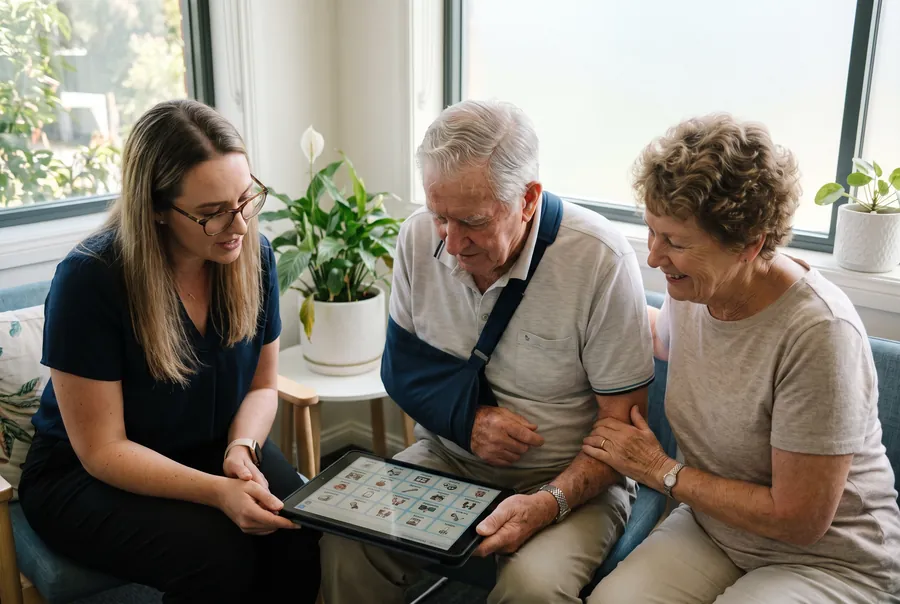
Some people talk with signs, picture cards or a speaking app. That’s called AAC, and we help with it too. Every way of talking counts.
Talking, understanding, reading or swallowing can change after a stroke or a brain injury. We can help, at any age.
It could be a stroke. Call 000 now and ask for an ambulance. Don’t wait for us.
60 minutes with youup to 2 hours on your report
Your written report is included.
45 minutes with you15 minutes planning and notes
Plus travel for home and school visits. We always quote first.
You pay on the day. Your private health fund may pay part back, depending on your policy.
If your GP sets up a chronic condition management plan, Medicare pays part of each session back, for up to 5 allied health visits a year in total.
Ask us the current amount when you bookFor people under 25 with an eligible condition and a referral, including stuttering, speech sound disorders, and cleft lip or palate. Medicare pays part of each session back.
Bring the referral to your first visitOur rates sit at or under the NDIS price limits, and they’re written into your service agreement before we start. We see self-managed and plan-managed participants. We’re not a registered provider, so we can’t see NDIA-managed plans.
Under 25s: up to 8 assessment and 20 therapy sessions in a lifetime, shared across allied health. Whether you can claim is up to Medicare, the NDIS and your fund, not us, but we’re happy to help you check. Please don’t claim Medicare and your health fund for the same session.
This is how we show a session to a child. It works for grown-ups too.
60 minwith you, here, at home or by video
$570all up, with your written report
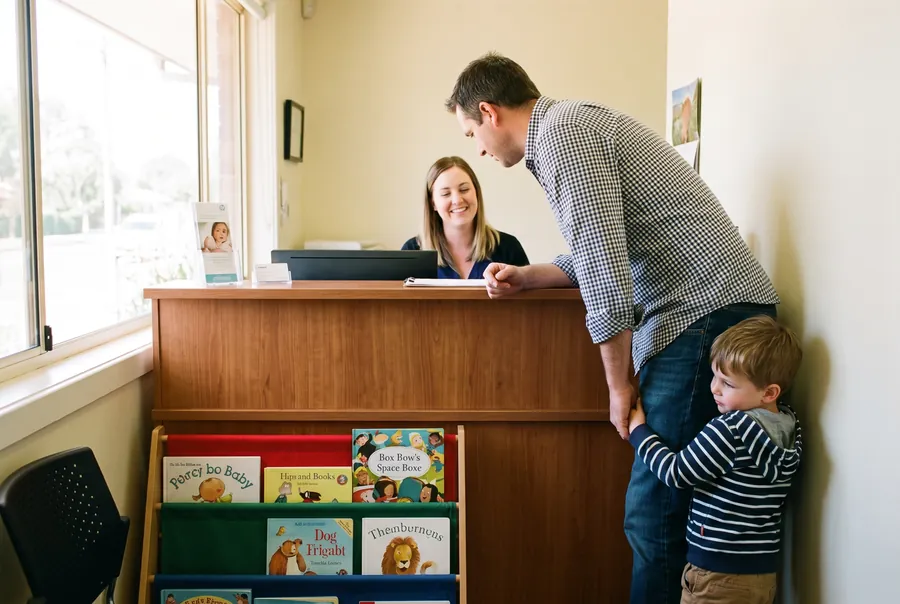
We meet in the waiting room. Nobody is rushed.
You tell us what you’ve noticed, and what you’d like to change.
With children we play and look at books. With adults it’s talking, reading and short tasks.
Before you go, we tell you what we noticed. Weekly sessions are a separate choice, made together.
It arrives within two weeks. It’s yours to share with your GP or school if you want to.
A brother or sister, a grandparent, a carer or a support person. They’re all welcome in the room.
Most of the practice happens between sessions, with the people your child sees every day.
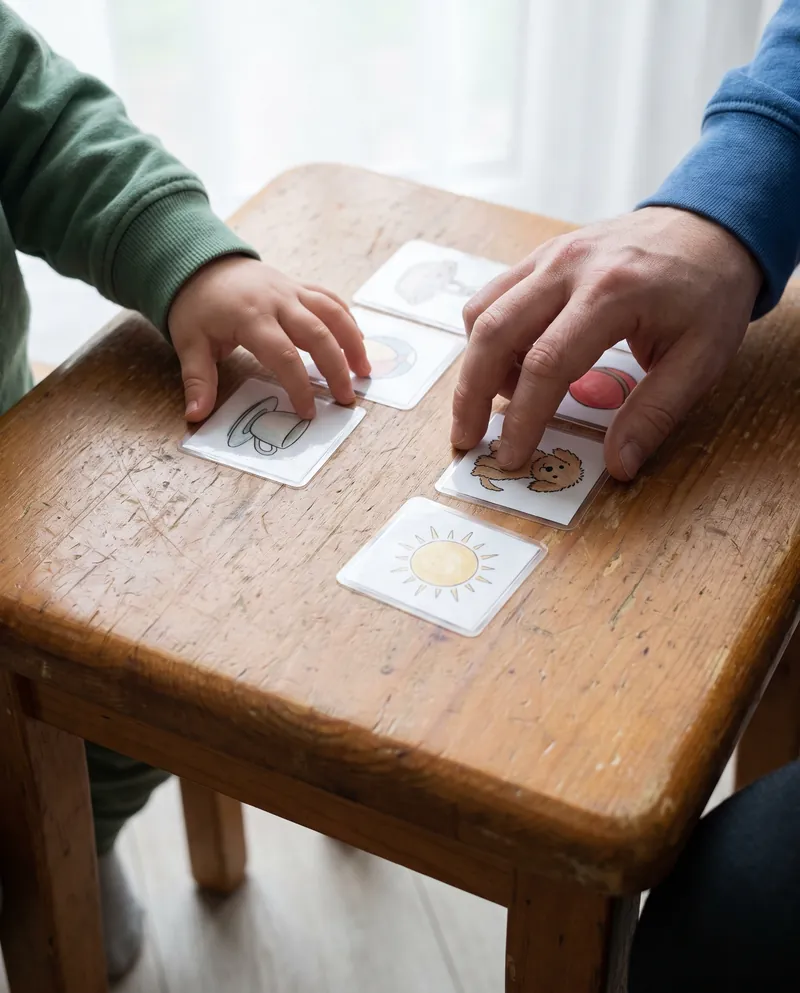
Five minutes a day. Play “what’s in the bag?” with words that start with b.
ballbusbananabubbles
Speech Pathologist, practice owner
Bachelor of Speech Pathology (Honours). Certified Practising Speech Pathologist (CPSP).
Works mostly with young children: talking, understanding and AAC. Speaks English and Tongan.
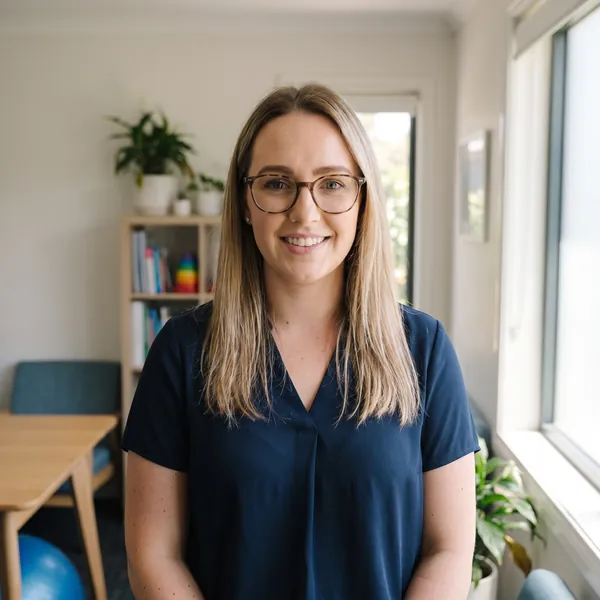
Speech Pathologist
Master of Speech Pathology. Certified Practising Speech Pathologist (CPSP).
Works mostly with adults: after a stroke or brain injury, swallowing, voice and stuttering. Saturday mornings.
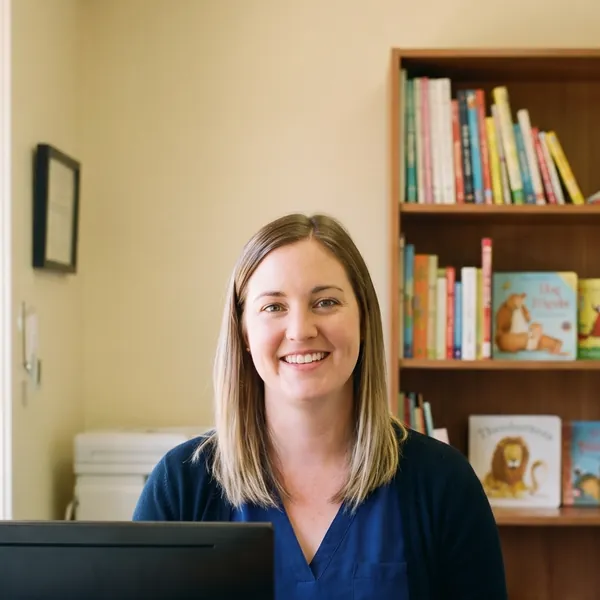
Client coordinator
Reads your messages, books appointments and sends invoices. Tess isn’t a speech pathologist, so she’ll pass clinical questions to Mele or Bridie.
About CPSP. Speech pathologists aren’t registered with Ahpra. Speech Pathology Australia certifies them instead, as Certified Practising Speech Pathologists. It’s voluntary, and Mele and Bridie both hold it.
No reviews here. Speech Pathology Australia’s code doesn’t allow testimonials or reviews on our own website, so you won’t find any.
412 Gympie Road,
Kedron QLD 4031
Mon to Sat
| Monday | 8am to 6pm |
|---|---|
| Tuesday | 8am to 6pm |
| Wednesday | 8am to 6pm |
| Thursday | 8am to 6pm |
| Friday | 8am to 6pm |
| Saturday | 8am to 12pm |
| Sunday | Closed |
Not to see us. You can write to us yourself. Medicare rebates do need a GP plan or a referral, so bring it if you have one.
We have assessment times this month. Weekly therapy has a short waitlist. When you write to us, we’ll tell you where you are on it, and we update the times on this page every week.
What we did, what we noticed, the goals we suggest, and ideas for home and school. If more assessment is needed, we tell you why and quote it before we do it.
Learning two languages isn’t a speech problem in itself. We look at how your child talks in every language they use, and we can work with an interpreter.
It depends on the person and the goals. We agree a plan with you and look at it again together. Nobody can promise how many sessions it will take.
Text or email us as soon as you can. With 24 hours’ notice there’s no charge. If you’re unwell on the day, there’s no charge either. NDIS sessions follow your service agreement.
Use whatever is easiest. A parent, partner or support person can get in touch for someone.