Why HotDoc and HealthEngine aren’t enough on their own
bdog builds websites for clinics. We connect sites to HotDoc and HealthEngine widgets when clinics use them, and we don’t take fees from either.
On This Page
A directory is a good side door. It's a bad front door.
That's the whole argument. The rest of this article is why, with the numbers and the two episodes that made a lot of practice owners rethink where their bookings come from.
What directories are good at
Let's be fair first, because the case against relying on them is stronger when it's honest.
A new practice with no patients and no Google history gets found on a directory in a way it won't on its own site for months. HotDoc describes itself as Australia's largest patient engagement platform, with more than 23,000 listed doctors and 13 million active patients, by its own count. That reach is real.
Patients like the apps. A saved care team, one login, appointments across several providers in one place.
The plumbing is good. Reminders, recalls, waitlists, digital forms, check-in. HotDoc and HealthEngine built the infrastructure most practices would otherwise buy piecemeal.
None of that is in dispute. Keep the directory if it works for you. Just don't make it the only way in.
The first cost: the fee
HotDoc charges practices a flat rate per active practitioner per month. For allied health, it also charges for new patients who book through hotdoc.com.au or the HotDoc app, where "new" means not already in your practice software. HealthEngine's Patient Match charges a referral fee per new patient acquired through its marketplace. Fresha, for skin clinics, takes 20 per cent of a new client's first appointment when they came through the Fresha marketplace.
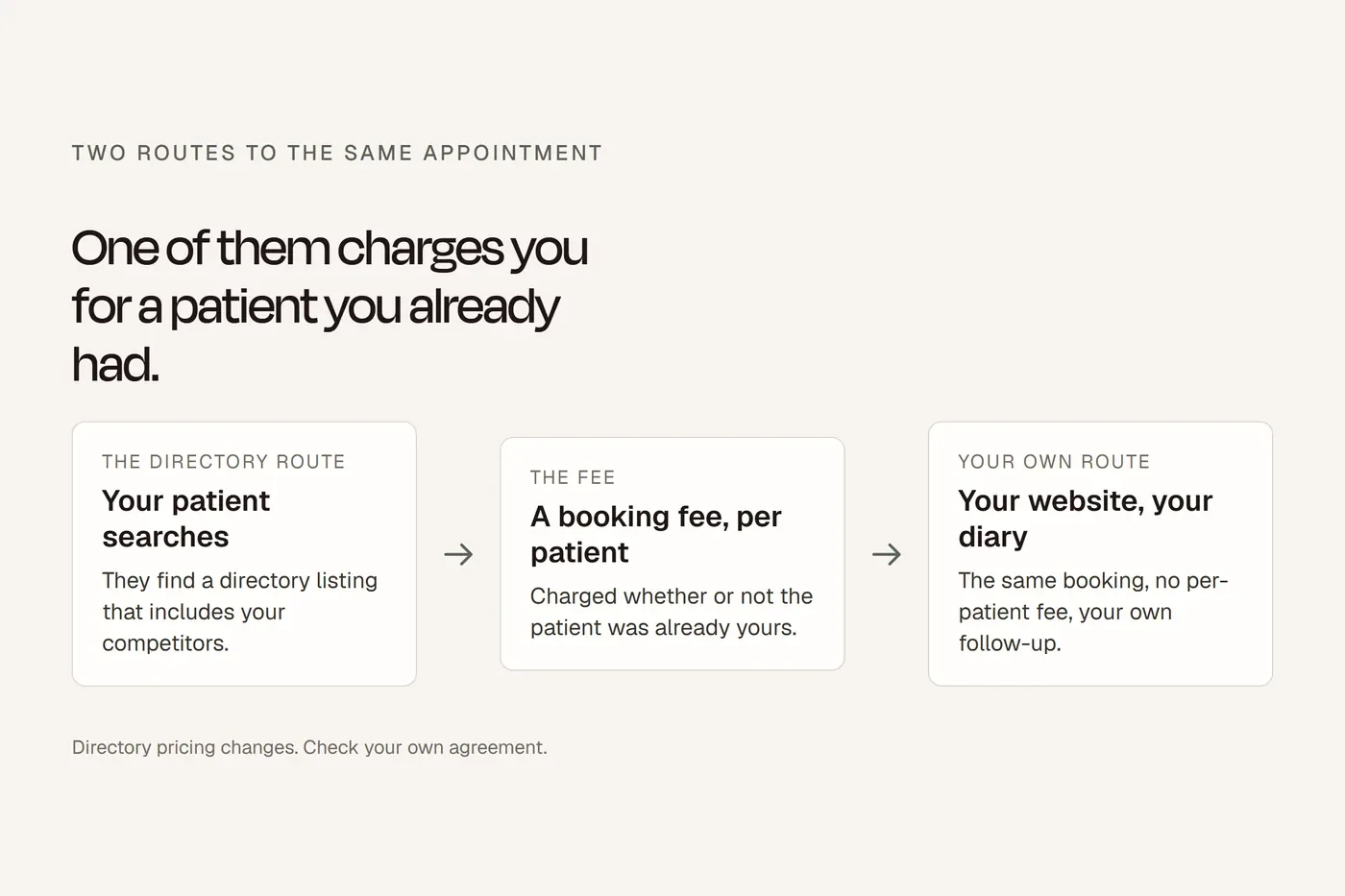
Here is the part that matters. All three say, in their own words, that bookings through the widget on your own website are not charged. HotDoc: "you will never be charged for a booking via that widget." HealthEngine: no new patient fees through your own website. Fresha: "You won't be charged for new clients who find you through your own website."
So the same patient, booking the same appointment, is free if they arrive through your site and costs money if they arrive through the directory's app. The fee isn't for the booking. It's for the introduction. If your website is doing the introducing, you're not paying it.
That only works if your website is somewhere patients actually land. Which is the second cost.
The second cost: the search result
Search your profession and your suburb. "Physio Marrickville." "Psychologist Newtown." Look at who ranks.
For a lot of suburbs, the directory ranks above the clinics it lists. That's the directory's business model working as designed. It has thousands of pages, years of history and a marketing budget. Your site has a homepage and a contact page.
When the directory outranks you, a patient who was looking for you specifically still lands on the directory, sees you next to three competitors, and books through the directory. Then you pay the new-patient fee for a patient who was already yours.
There's no published Australian data on what share of bookings arrive this way. Anyone who quotes you a percentage is guessing. But the mechanism is plain, and you can test it in thirty seconds with your own suburb.
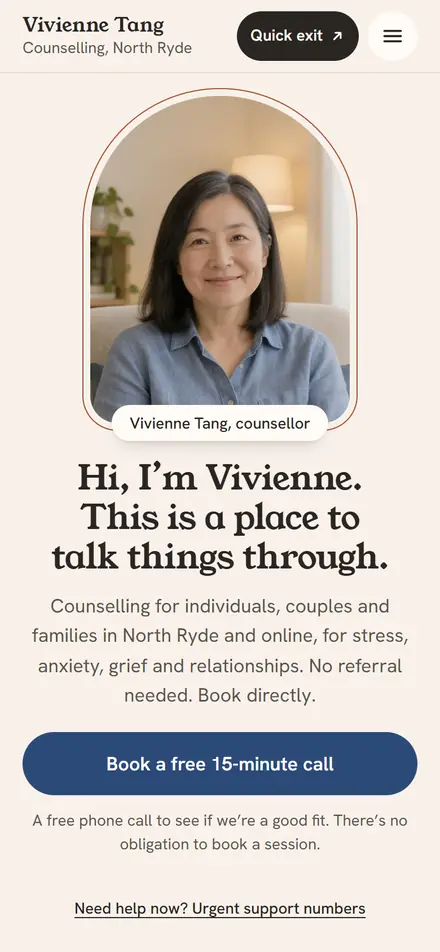
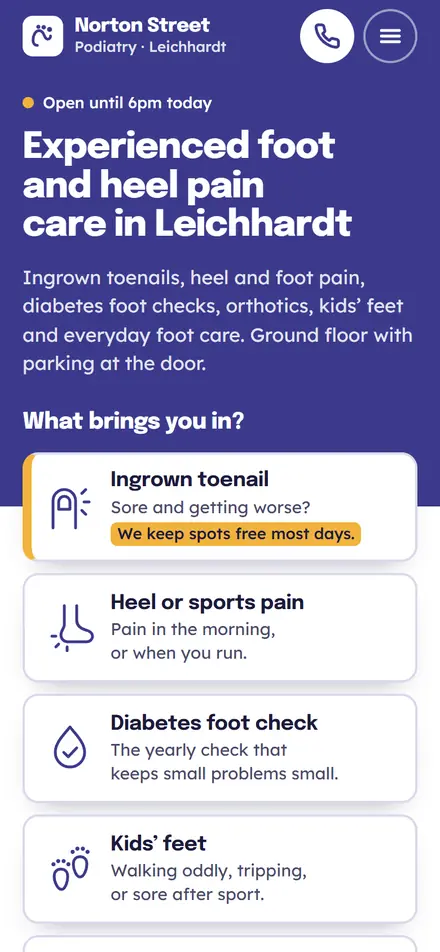
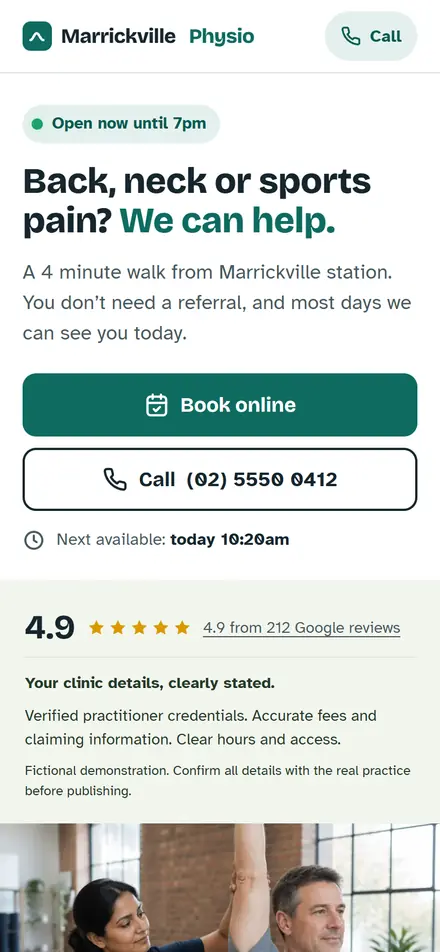
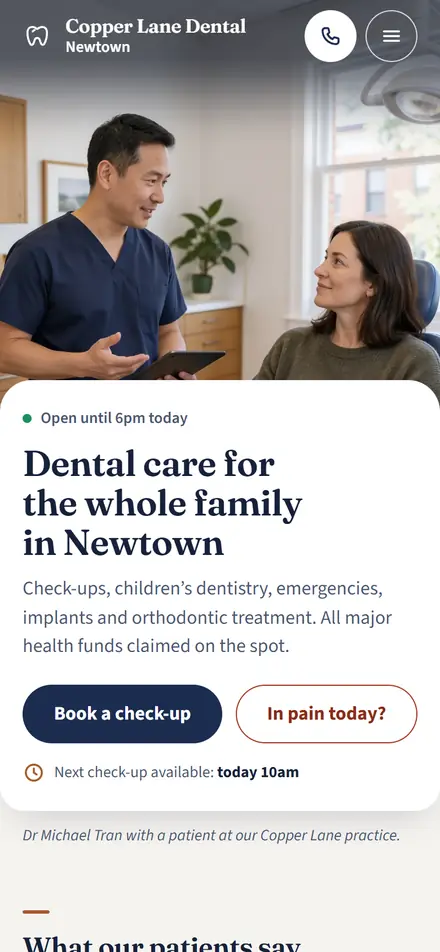
The fix is the ordinary one: a site that names your suburb and your services in the first line, a Google Business Profile that's complete, and a Book Now button that goes to your own diary. We've written those up separately. The point here is that without them, the directory owns the search result and the relationship that follows.
The third cost: the platform decides
This is the one that changed minds in 2025.
HotDoc, February to August 2025
In February 2025, HotDoc began piloting a feature called Telehealth on Demand. A patient opening the HotDoc app to book was offered a same-day video consult with one of about fifty participating GPs, available within two hours. The offer appeared when the patient started a booking from the app's home screen. In other words, a patient looking for their own practice was shown a different doctor first.
Practice owners found out in early July. The reaction on practice-manager forums and LinkedIn was immediate. Dr April Armstrong, founder of Business for Doctors, called it "a pivot toward direct competition" that "directly undermines the trust and collaboration" between practices and the platform.
HotDoc suspended the pilot around 11 July 2025. Its chief executive, Dr Ben Hurst, apologised. The feature relaunched on 13 August 2025 with limits: it appears only after a patient has exhausted other options, it never appears on a practice's page, practitioner page, widget or website, participating GPs need a 4.2-star average, and HotDoc described it as "a safety net, not a substitute."
That's a reasonable resolution. It's also a demonstration. For five months, a paid booking platform used its position in front of your patients to offer them someone else, and the practices paying for it found out from a Facebook group. The relaunch terms were HotDoc's to set. They'll be HotDoc's to change.
HealthEngine, 2014 to 2020
The older episode is about data.
On 20 August 2020, the Federal Court ordered HealthEngine to pay a $2.9 million penalty after action by the ACCC. Two findings. HealthEngine had published patient reviews selectively, editing or withholding negative ones. And between April 2014 and June 2018 it had passed the non-clinical personal information of more than 135,000 patients to private health insurance brokers without adequately telling them, earning more than $1.8 million for doing so.
HealthEngine stopped publishing reviews and paid the penalty. It's a different company today by most accounts. But patients who booked through a directory had their details sold to insurance brokers, and the practices they booked with had no say in it. That's what it means to put the booking form on someone else's platform.
What this doesn't mean
It doesn't mean leave the directory. If HotDoc or HealthEngine brings you patients you wouldn't otherwise get, that's a marketing cost like any other, and it might be a good one.
It means your website is the front door and the directory is the side door. Concretely:
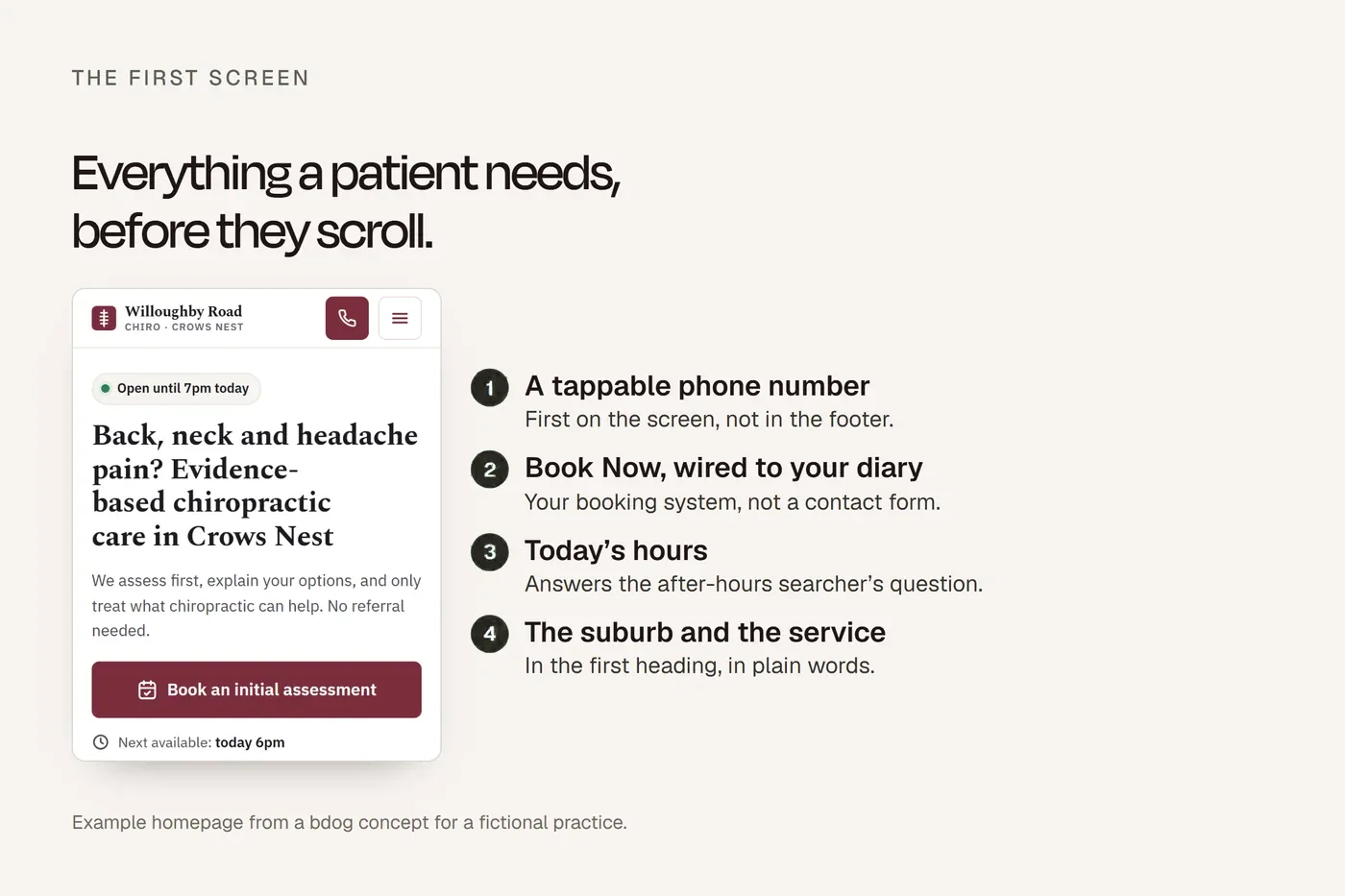
Your Book Now button points at your own diary. Cliniko, Halaxy, Nookal, Zanda, whatever you run. Not at the directory's booking page. If you use the HotDoc or HealthEngine widget on your site, that's fine too; bookings through it aren't charged.
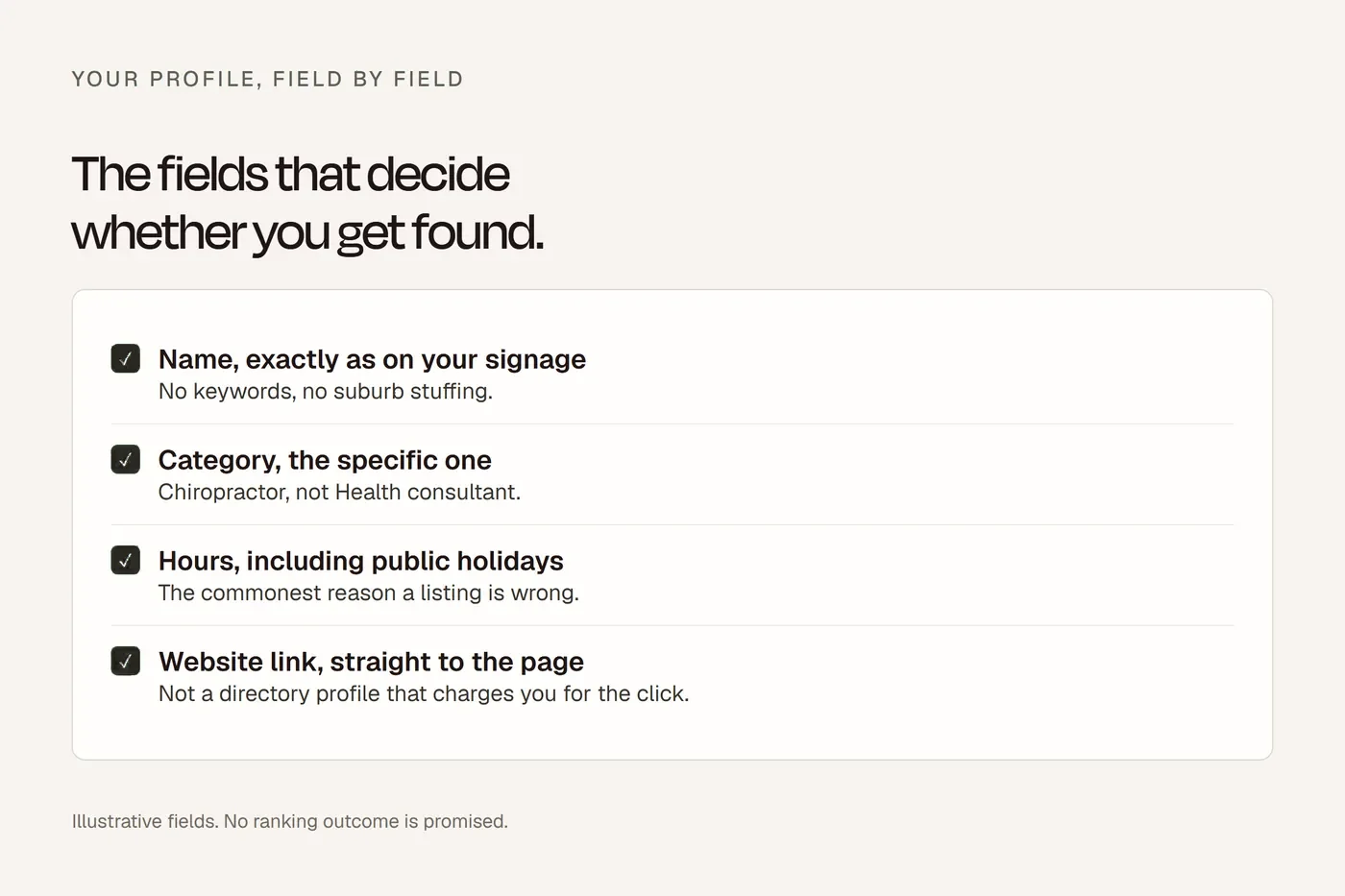
Your Google Business Profile links to your website. Not to your directory listing. Google is where most patients start, and the profile decides where they land.
Your site names your suburb and your services in the first screen. So that when a patient searches for you, you have a chance of being the result.
You keep your own patient records in your own practice system. Which you already do. Just make sure the directory isn't the only place a new patient's details live before they walk in.
Do those four things and the directory becomes what it should be: a place some patients find you, on top of a website where most of them book.
Questions we get asked
Is HotDoc worth it?
For a new practice or one that's struggling to fill a diary, often yes. For an established practice paying new-patient fees on patients who searched for it by name, do the sums.
Do I need a website if I have HotDoc?
Yes. Without one, every booking goes through a platform whose terms you don't set, and every new patient carries a fee.
How much does HotDoc cost per booking?
Nothing for bookings through the widget on your own site. For allied health, a new-patient fee applies to bookings through HotDoc's app and website. The flat rate per practitioner is on top and depends on your specialty.
What are HealthEngine's fees?
Patient Match charges per new patient from its marketplace. Its Online Booking System on your own site has no new-patient fee. The GP Complete bundle is marketed as having zero new-patient fees; get the current price from them.
What happened with HotDoc's telehealth feature?
A pilot from February 2025 offered patients a different GP for same-day telehealth from the app's home screen. It was suspended in July after practice backlash and relaunched in August with limits, including never appearing on a practice's own page or widget.
Is HealthEngine safe with patient data?
It paid a $2.9 million penalty in 2020 over sharing patient information with insurance brokers between 2014 and 2018, and over selective reviews. It says its practices have changed. Read its current privacy policy before you decide.
Can patients book my clinic straight from Google?
Sometimes. HealthEngine powers a Book Online button on some GP profiles. Availability for other health categories is patchy. Your profile's website link is the reliable path.
What happens to my bookings if I leave a directory?
The patients who found you there need another way in. If your website has been the front door all along, most of them already have it.
About this guide
Sources are named in the text; where the rules come from a regulator we link to the regulator, not to a summary of it. This is general information about building a website, not legal advice.