How accounting firms get more clients
Seven in ten small businesses found their accountant by word of mouth, yet few firms ask for referrals. Here’s each channel that works, and the rules on the TPB symbol, your website, claims, commissions and confidentiality.
On This Page
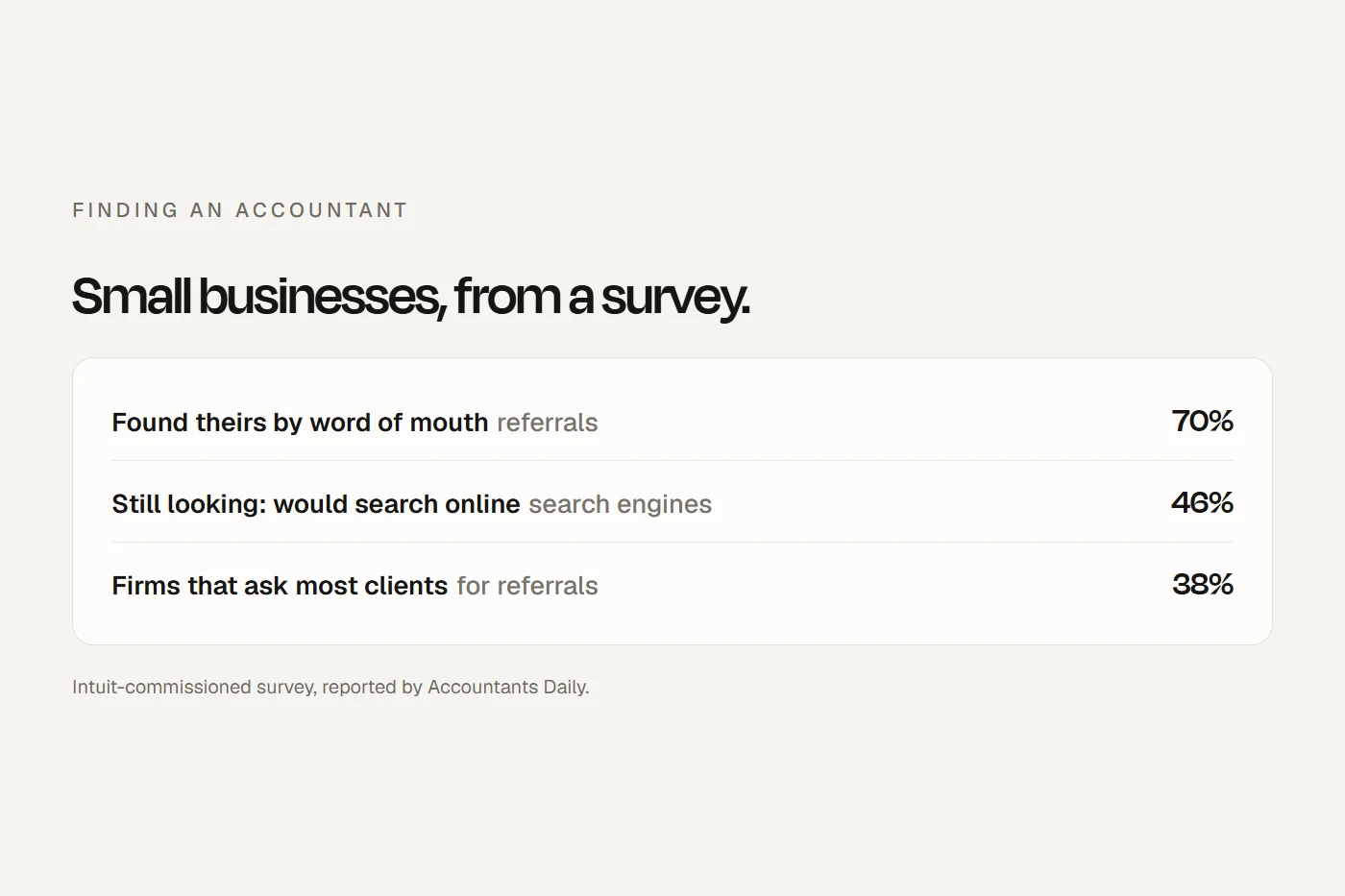
Most accounting firms say they rely on word of mouth, and most of their clients say that's how they found them. Yet very few firms actually ask for referrals. In a survey Intuit commissioned of Australian small businesses and accounting firms, seven in ten businesses found their accountant through referrals or word of mouth, but only 38% of firms explicitly asked most of their clients to refer them. That gap is the cheapest growth most practices have.
This guide goes through the channels that bring a small Australian accounting, tax or BAS practice its clients, and the rules that apply to each: the Tax Practitioners Board, the APES 110 Code of Ethics, the professional bodies' branding rules and the consumer law. Most "accountant marketing" advice online comes from software companies and agencies and skips these. It's general information, not legal or professional advice; your professional body has an ethics line for the close calls.
- Ask every client for a referral and a reviewWord of mouth brings most clients, and most firms don't ask for it.
- Make the website do the checking for themNearly half of businesses still looking for an accountant say they'd use a search engine. Show your registration, your services and your prices.
- Know your rulesThe TPB symbol with your number, the register and complaints links the TPB expects, no exaggerated claims, and written disclosure of any commission you receive.
How small businesses find an accountant
The best recent Australian figures come from two surveys Intuit, which sells QuickBooks, commissioned in 2025. Treat them as a vendor's numbers, but they line up with what most practitioners would tell you.
Two other numbers for scale. The ATO's statistics show about six in ten individual tax returns are lodged by a tax agent. And in a 2022 speech, an ATO Deputy Commissioner said 88% of small businesses had a practitioner lodge their income tax return, but only around 65% had one lodge their activity statements. That third of small businesses still doing their own BAS is the market a BAS agent markets to.
Read together: referrals bring most clients, the website and Google are where people check you before they ring, and most firms leave the easiest channel, asking, to chance.
The rules that apply to your marketing
Who can advertise what
The Tax Agent Services Act makes it a breach to advertise a tax agent service if you're not a registered tax agent, or a BAS service if you're not a registered tax or BAS agent. It's also a breach to represent that you're registered when you're not. For a registered practice, the traps are narrower: a BAS agent advertising tax returns, or a bookkeeper who isn't a registered BAS agent advertising BAS lodgment.
The TPB symbol and your number
Registered practitioners may use the TPB's registered tax practitioner symbol in advertising, under a free licence. The rules:
- "Registered tax practitioners must use the symbol in conjunction with their registration number."
- Use only the original file from the TPB, unaltered, at least 136 pixels wide in the stacked version, and never over a photo or busy background.
- A company or partnership uses its own registration number, not a partner's.
- Take it down from the old premises when you move or sell.
I didn't find a rule that you must show your number in every ad, only that the number must go with the symbol whenever you use it.
What the TPB now expects on your website
Under the TPB's "keeping clients informed" obligation, you must tell current and prospective clients in writing that the TPB keeps a register of tax and BAS agents and how to search it, and how to make a complaint, including through the TPB. The TPB's own example of doing it properly is publishing that information on the website you use to promote your services, as well as in engagement letters. In one of its case studies, a practice that didn't put it on its website was found in breach.
The simplest fix is a short block in your footer or on a "Choosing a registered agent" page: a direct link to your entry on the TPB register and a link to the TPB's complaints form. A general pricing enquiry through your site doesn't make someone a prospective client, so a price page alone doesn't trigger the duty, but it does no harm to have the block on every page.
APES 110: honest, not exaggerated
If you're a member of CPA Australia, CA ANZ or the IPA, the APES 110 Code of Ethics applies. Its marketing rule, R115.2, says you "shall be honest and truthful" and shall not make "Exaggerated claims for the services offered by, or the qualifications or experience of, the Member" or "Disparaging references or unsubstantiated comparisons to the work of others".
So "the best accountants in Parramatta" is out, and "cheaper than [another firm]" needs to be provable. Low fees themselves are fine: the Code says "Quoting a fee lower than another accountant is not in itself unethical." If you're unsure, the Code encourages you to ask your professional body.
"Chartered", "CPA" and the logos
- CA ANZ: "Australian members cannot include 'Chartered' or 'Chartered Accountant /s' in their registered company or business name." Use it as a descriptor under the name. The CA logo and "Chartered Accountants" are only for firms where every principal is a CA with a Certificate of Public Practice or an Affiliate member.
- CPA Australia: its public practice logo is different from the CPA Australia logo, and using it needs a public practice certificate and CPA Australia's approval.
- "Financial adviser" and "financial planner" are restricted titles under the Corporations Act. Don't use them for SMSF or investment work unless you're registered to.
The liability line
If your practice is in a Professional Standards Scheme, the law requires a statement on documents that promote you, and CA ANZ requires this wording on every website page: "Liability limited by a scheme approved under Professional Standards Legislation." Only if you're in a scheme.
Referral fees and commissions
APES 110 treats paying or receiving a referral fee, or receiving a commission, as a threat to your objectivity that has to be managed. If you receive one, the rule is firm. You "shall inform the client in writing of: the existence of such arrangement; the identity of the other party or parties; and the method of calculation". Commissions on assurance work, which includes SMSF audits, are banned outright. The TPB's conflicts guidance agrees: tell the client about any commission. If you pay a broker or bookkeeper for each client they send you, disclosing it to the client is the safe course. A flat fee for a directory listing is advertising, not a referral fee.
Confidentiality
The Tax Agent Services Act says you "must not disclose any information relating to a client's affairs to a third party without your client's permission", and APES 110 says the same for members. That shapes three common marketing moves:
- Case studies and client logos need the client's written permission.
- Replies to bad reviews can't discuss the client's affairs. Don't confirm they were a client.
- Uploading your client list to Google or Meta for ad targeting gives client details to a third party. Get permission first.
And one the TPB calls out directly: "do not imply or state that all your work is completed in Australia, if that is not the case." If you offshore, don't say "100% Australian team".
Prices on your website
Showing prices is allowed and, for many clients, welcome. Under the consumer law, a price for services ordinarily bought for personal or household use, like an individual tax return, must include GST and be shown as a single figure. That rule doesn't apply to prices quoted only to companies. For packages sold to sole traders and families, I'd show the GST-inclusive price to be safe.
Can I do this?
Tap a tactic to see the answer and the rule behind it.
Is your website compliant?
Go through your site with this. Your ticks save in this browser.
- TPB symbol with your registration number, from the TPB's original file.
- A link to your entry on the TPB register and to the TPB's complaints form.
- The liability line in the footer, if you're in a Professional Standards Scheme.
- "Chartered Accountants" or the CPA public practice logo used only if you qualify and, for CPA, with approval.
- Only services you're registered to provide, for example no tax returns on a BAS agent's site.
- Prices for individuals shown including GST.
- No "best", "most trusted" or "guaranteed refund" claims.
- Written permission for every case study, testimonial and client logo.
- Offshoring described honestly, if you use it.
- Newsletter sign-up records consent and unsubscribe works.
- A page for each service, written for the client, with who it's for and how to start.
The channels
Referrals: ask, and make it easy
If 70% of clients come by word of mouth and only 22% of businesses referred their accountant in the past year, the lever is obvious. Ask at the moments clients are happiest, usually when a return is lodged or a refund lands. Make it easy: a short line in your lodgment email with your website link. Look after referral partners too: mortgage brokers, solicitors, financial advisers and bookkeepers who don't do your kind of work. Agree in writing how any fees work and how clients are told.
Google and reviews
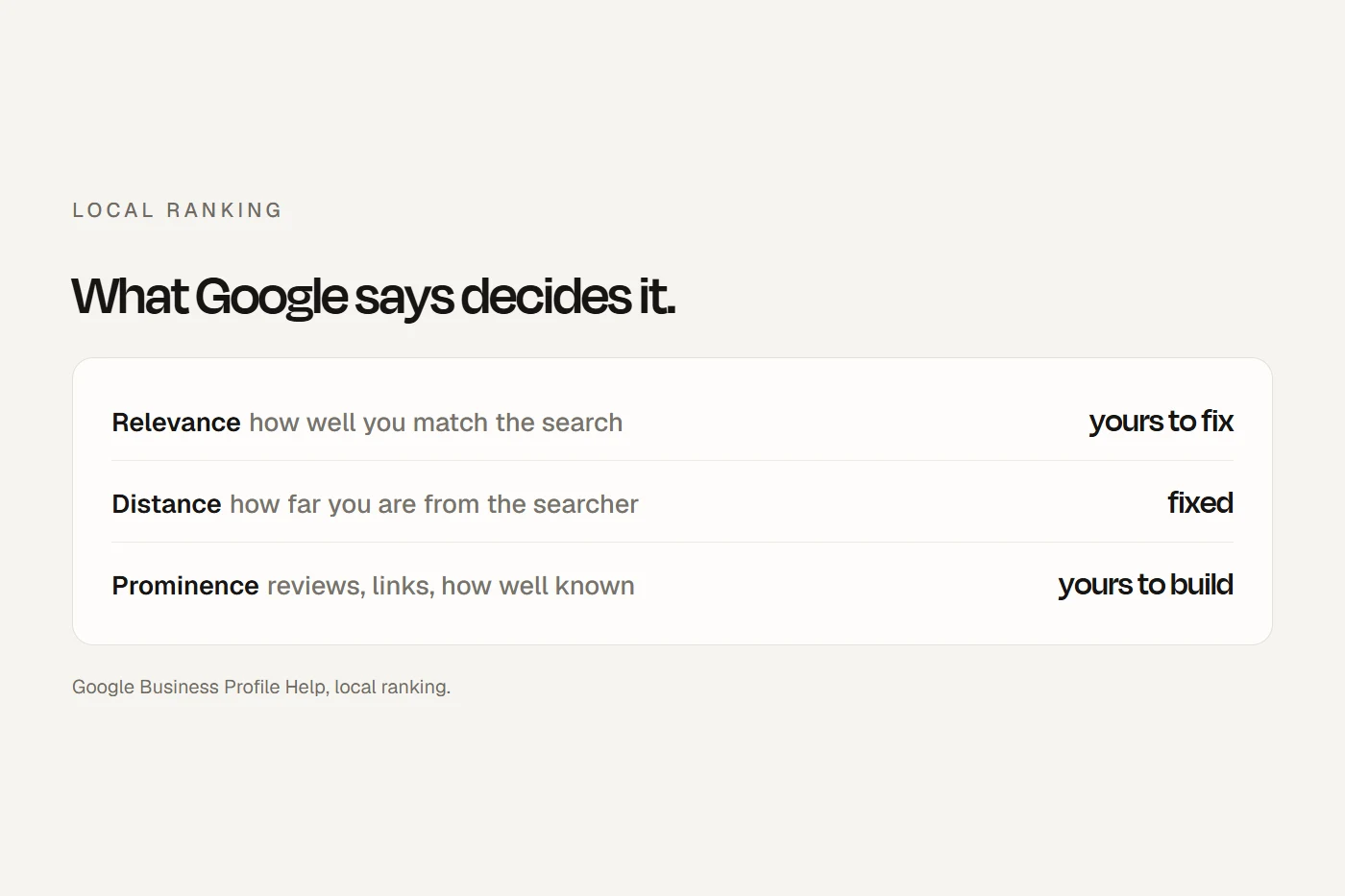
Your Google Business Profile is what someone sees when they search your name after a friend recommends you. Use your real name, the primary category that completes "This business IS a" (Accountant, Accounting firm, Bookkeeping service or Tax preparation service), and the same address everywhere. A BAS-only practice shouldn't pick a category that suggests tax returns. Ask every client for a review the same way, with nothing in return. My guide to local SEO covers the profile and reviews in detail.
Directories that come with what you already pay for
| Directory | Who can list | Cost |
|---|---|---|
| TPB register | Every registered tax and BAS agent, by law | Free |
| CA ANZ Find a CA | Members with a Certificate of Public Practice who opt in | No listing fee stated |
| CPA Australia Find a CPA | Public practice certificate holders who opt in | No listing fee stated |
| Xero advisor directory | Xero partners at Bronze or above with certified staff | Free; ranked by partner status and location |
| QuickBooks Find-a-ProAdvisor | Certified ProAdvisors | Free; shows ratings |
Scroll the table sideways to see every column.
Fill in every field once and keep your details identical to Google. Xero's directory ranks firms with the strongest combination of partner status and location first, so your Xero client base doubles as marketing. I cover partner programs in accounting practice software.
Timing around the tax year
Accounting marketing has two natural windows for individuals. From July, people who want a return done. And in September and October, people who haven't lodged: the ATO says anyone using a tax agent for the first time should contact them before 31 October to be part of the agent's lodgment program. "Haven't lodged yet? Talk to us before 31 October" is a useful, true message at that time of year. For business clients, May and June are for year-end planning, and BAS quarters run all year.
Google Ads and Facebook
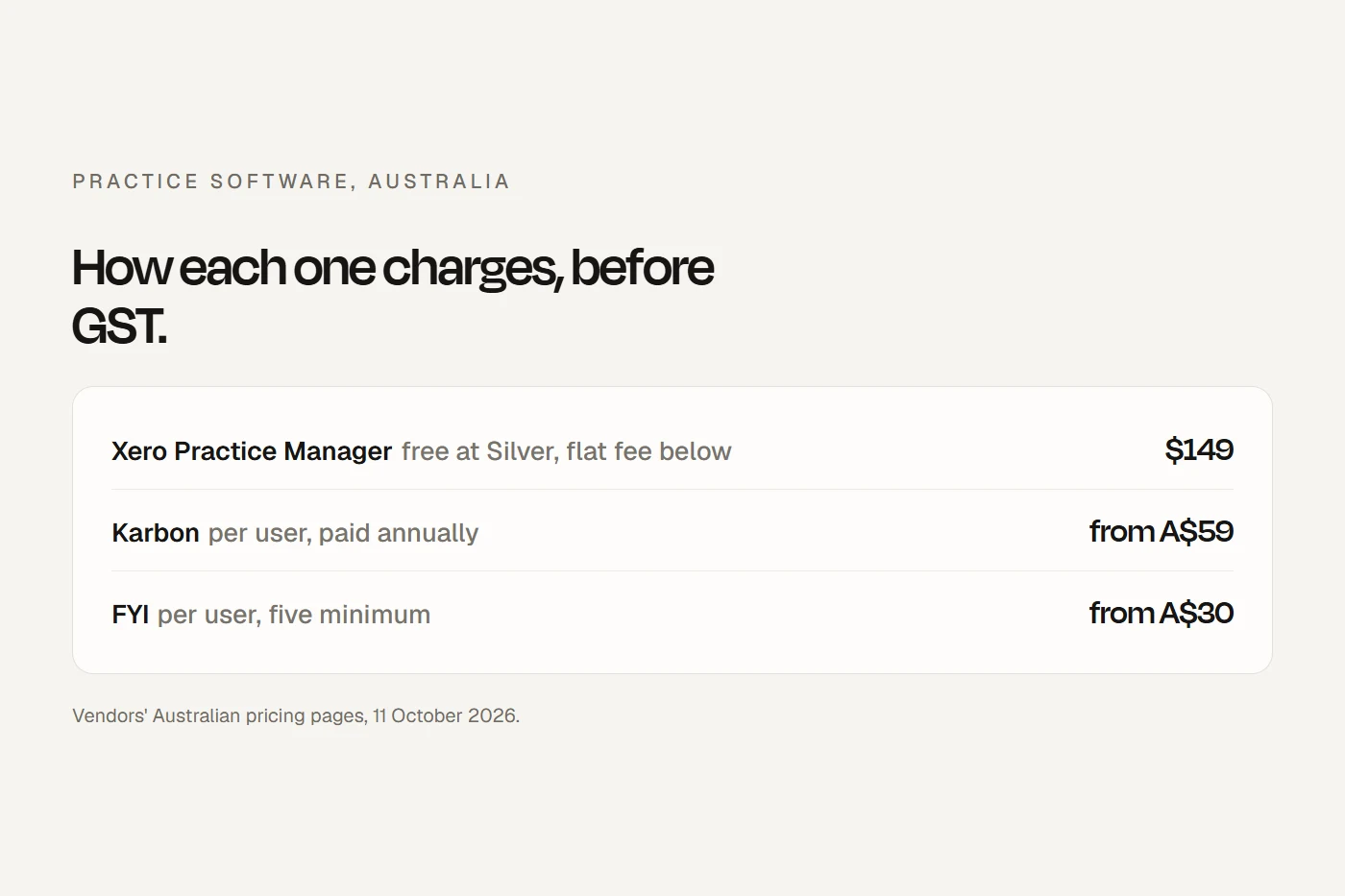
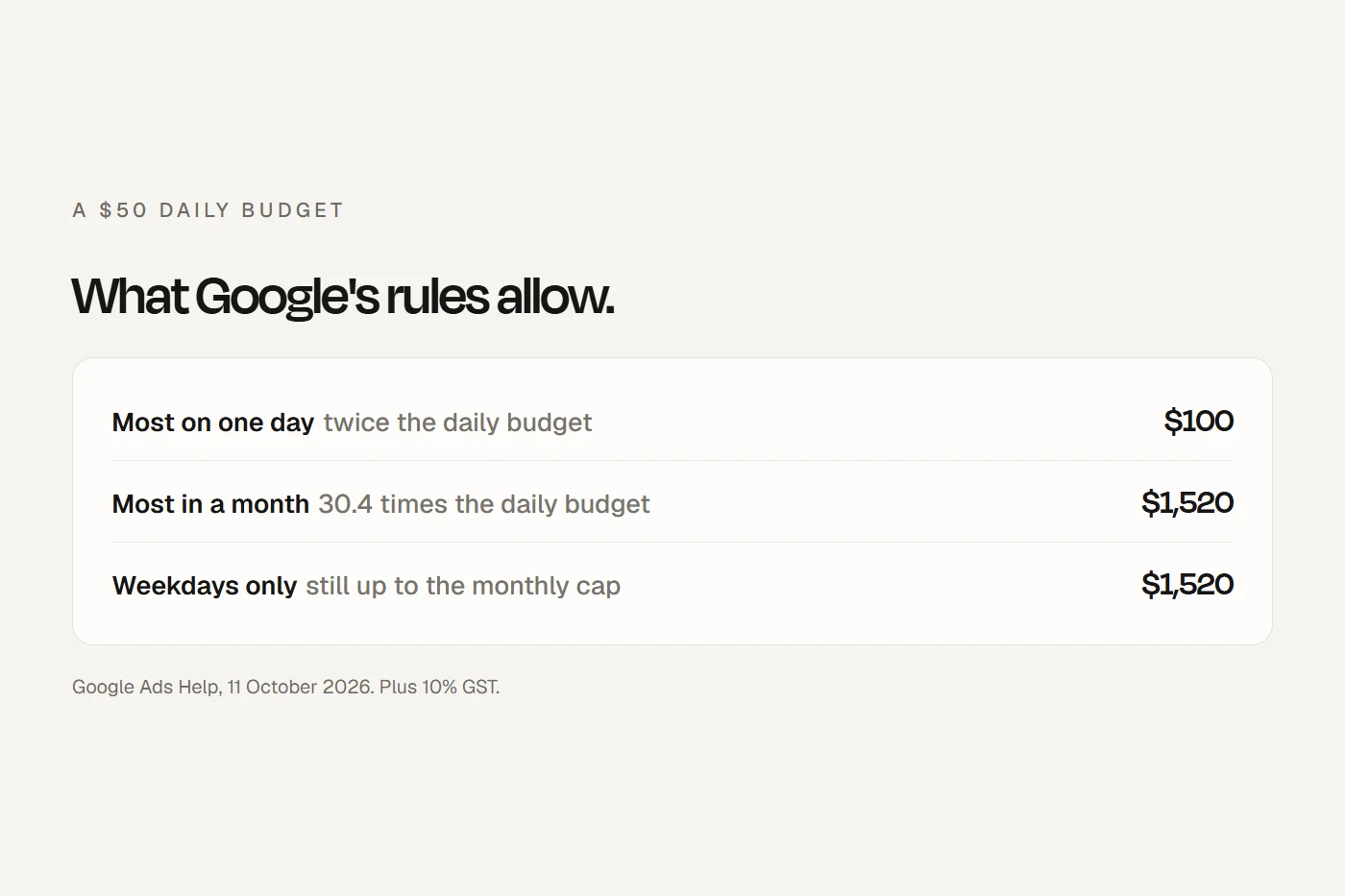
Paid ads can work for timely services, like tax returns in July and late lodgments in October. Start small, on your own firm name and two services in your area, and claim nothing you can't substantiate. Tax and accounting aren't on Meta's list of Australian financial products that need extra verification, but SMSF or investment advice ads may be. My guides to Google Ads costs and Facebook and Instagram ads go through the numbers.
Newsletters
A regular email to clients about tax changes, deadlines and business tips keeps you front of mind and brings repeat work. The Spam Act needs consent, but an ongoing client relationship can give inferred consent for relevant messages. Identify your firm by its legal name or name and ABN, and honour unsubscribes within five working days. Send through a mailing tool rather than putting every client in the "To" field.
What a client is worth, by channel
Accounting clients come back every year, so judge a channel on what a client brings over their whole time with you, not one job. Put in one channel's numbers for a month, then the next. The starting numbers are an example only.
A 90-day plan
Your ticks save in this browser.
- Google Business Profile: your real name, the right primary category, the same address everywhere.
- Website compliance pass with the checklist above.
- Turn on every free directory you qualify for: Find a CA, Find a CPA, Xero, QuickBooks.
- Count calls and form enquiries by channel.
- Add a referral fee and commission disclosure to your engagement letter, and a consent line for marketing and data.
- Ask every client for a referral and a Google review at lodgment, with a link.
- List your referral partners and agree in writing how any fees work and how clients are told.
- Agree a review reply that never discusses a client's affairs.
- Start a newsletter to existing clients with your firm's name and a working unsubscribe.
- Time campaigns to the tax year: July for returns, September and October for "lodge before 31 October".
- A small Google Ads test on your firm name and two services, claiming nothing you can't back up.
- Compare cost per new client and lifetime fees by channel with the calculator, and drop the worst.
My view
For most small practices, the biggest win isn't a new channel. It's asking every happy client for a referral and a review, and having a website that confirms what the friend said: registered, clear about what you do and what it costs, and easy to contact. Do that, and paid ads become a top-up rather than the plan.
If you'd like someone to handle the marketing, our Marketing plan is from $500 a month +GST, quoted after a call, with ad spend separate. Whoever writes it, the rules above are yours to answer for.
Questions I get asked
How do accounting firms get more clients?
Mostly through referrals: in an Intuit-commissioned survey, seven in ten small businesses found their accountant by word of mouth. Asking every client for referrals and reviews, and a website that answers their questions, does most of the work.
Do I have to show my TPB registration number on my website?
If you use the TPB symbol, yes, it must go with your number. The TPB also expects your website to tell clients about the TPB register and how to complain.
Can I put "Chartered Accountants" in my business name?
Not in Australia. CA ANZ doesn't allow "Chartered" in a registered company or business name; qualifying firms use it as a descriptor under the name.
Can accountants advertise their prices?
Yes. APES 110 says quoting a lower fee isn't unethical in itself. Prices for individuals should include GST and be shown as a single figure.
Can I accept a commission for referring a client?
Yes, if you tell the client in writing about the arrangement, who pays you and how it's calculated. Commissions on assurance work, including SMSF audits, are banned.
When is the best time to market an accounting practice?
From July for individual returns, and September to October for people who haven't lodged, since first-time clients need to contact an agent before 31 October to join their lodgment program.
About this guide
Written by Joseph Alzein, founder of bdog. bdog builds websites for Australian businesses, including accounting practices, and sells marketing. I'm not an accountant or a lawyer, and this is general information, not professional advice. Rules were read from Sydney on 11 October 2026; the survey figures are vendor-commissioned and labelled as such.
Main sources:
- Tax Agent Services Act 2009
- TPB: registered tax practitioner symbol guidelines
- TPB(GS) 54/2024: keeping your clients informed
- TPB: confidentiality of client information
- TPB(GS) 24/2014: managing conflicts of interest
- APES 110 Code of Ethics (compiled July 2025)
- CA ANZ: practice structures and using our brand
- CA ANZ: marketing your practice
- ATO: small business issues for tax practitioners
- Accountants Daily: most SMBs find accountants through word of mouth
- ACMA: avoid sending spam