How to show up in ChatGPT and Google’s AI answers: a guide for local businesses
GEO is the new acronym being sold to small businesses. Here’s what Google, OpenAI, Microsoft and Apple actually tell site owners, the settings that can quietly lock you out, and a checker for your robots.txt.
On This Page
There's a new acronym being sold to small businesses: GEO, generative engine optimisation, sometimes called AEO. The pitch is that you need special work to show up when people ask ChatGPT or Google's AI for a recommendation. I went to the companies that run these systems, Google, OpenAI, Microsoft, Apple, Perplexity and Anthropic, and read what they tell site owners. The short version is less exciting than the pitch and more useful: most of it is the same work as ordinary SEO, plus a few settings that can quietly lock you out.
- Google's AI Overviews and AI ModeGoogle says there are "no additional requirements" and no special optimisation. Be indexed, allow snippets, keep your Business Profile up to date.
- ChatGPTAllow OpenAI's search bot, OAI-SearchBot, and make sure your host doesn't block it. OpenAI says placement "is not guaranteed".
- Copilot, Siri and the restClaim your free Bing Places and Apple Business listings, keep your details the same everywhere, and check your robots.txt with the tool below.
I build websites and run marketing for Australian businesses, so I have an interest in this too. That's why I've stuck to what the AI companies themselves publish, read on 11 October 2026, and flagged anything that comes from someone selling SEO.
Google's AI Overviews and AI Mode
Google's page for site owners on its AI features is unusually direct:
"There are no additional requirements to appear in AI Overviews or AI Mode, nor other special optimizations necessary."
To be shown as a link in an AI Overview or AI Mode, Google says "a page must be indexed and eligible to be shown in Google Search with a snippet". Its newer guide to optimising for AI features names GEO and AEO outright and says that, from Google's point of view, optimising for AI search "is optimizing for the search experience, and thus still SEO". It also says you don't need to break your content into chunks, rewrite it for AI, or add special schema markup.
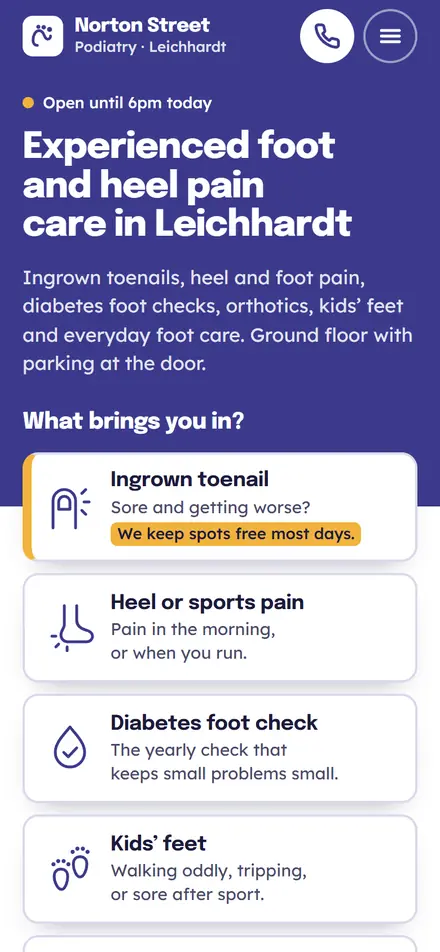
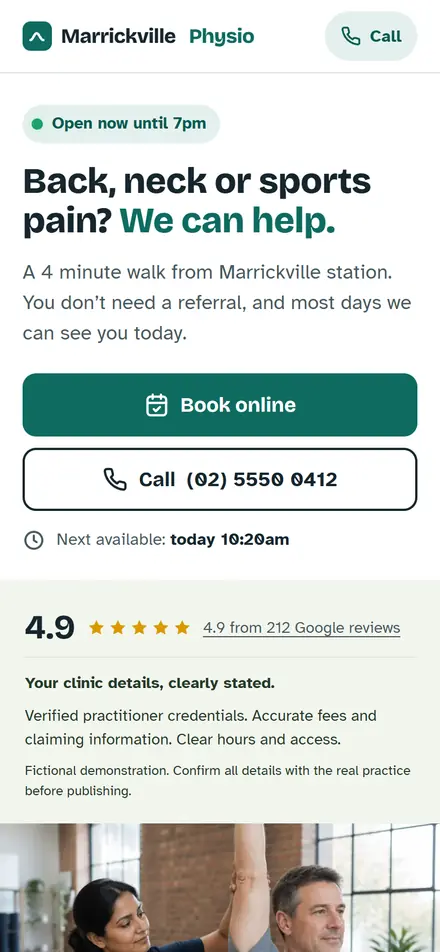
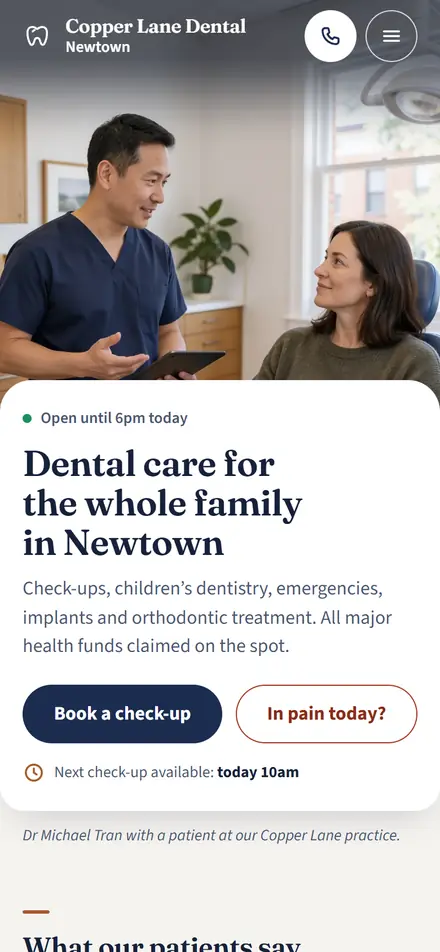
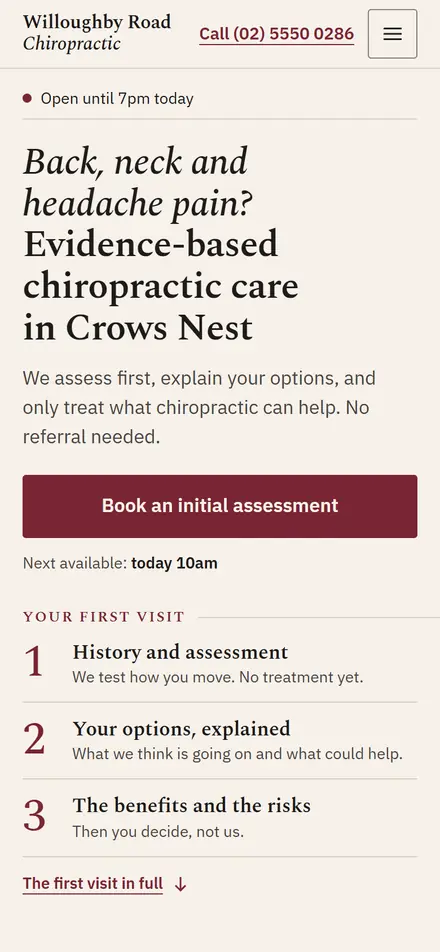
The practices Google does list for AI features are ordinary ones: let it crawl your site "in robots.txt, and by any CDN or hosting infrastructure", link your pages to each other, make sure "important content is available in textual form", and keep "Merchant Center and Business Profile information" up to date. That textual-form point matters for small businesses: opening hours, prices and service lists in an image can't be read the way text can.
Where local businesses come in
Google says AI responses "can include ... information about local businesses", and that using Google Business Profiles "can help your products and services to be visible in both AI responses and other Google Search results". It doesn't say which profile details it uses or how it picks businesses for an AI answer. What it does say about local results generally is that they're based on relevance, distance and prominence, and that "Businesses with complete and accurate info are more likely to show up in local search results."
Two settings to check
- Search Console's AI control. Google has added a "Search generative AI control" to Search Console. Including your site is the default, and Google's guide says a site must be included to appear in its AI features. You don't need to switch anything on; just check nobody has switched it to exclude.
- Snippet tags. A
nosnippettag on a page also stops it being used "as a direct input for AI Overviews and AI Mode", andmax-snippetlimits how much can be used. Some sites have these set without anyone knowing.
Search Console also now has a Generative AI performance report, showing how often links to your site appeared in AI Overviews and AI Mode.
ChatGPT
OpenAI's help centre has a section called "Make your website available in search results". The whole of it is two steps: "allow OAI-Searchbot to crawl the site and confirm that the website host or content delivery network allows traffic from OpenAI's published searchbot IP addresses." It also says: "Placement is not guaranteed."
OpenAI runs separate bots, and they're easy to mix up:
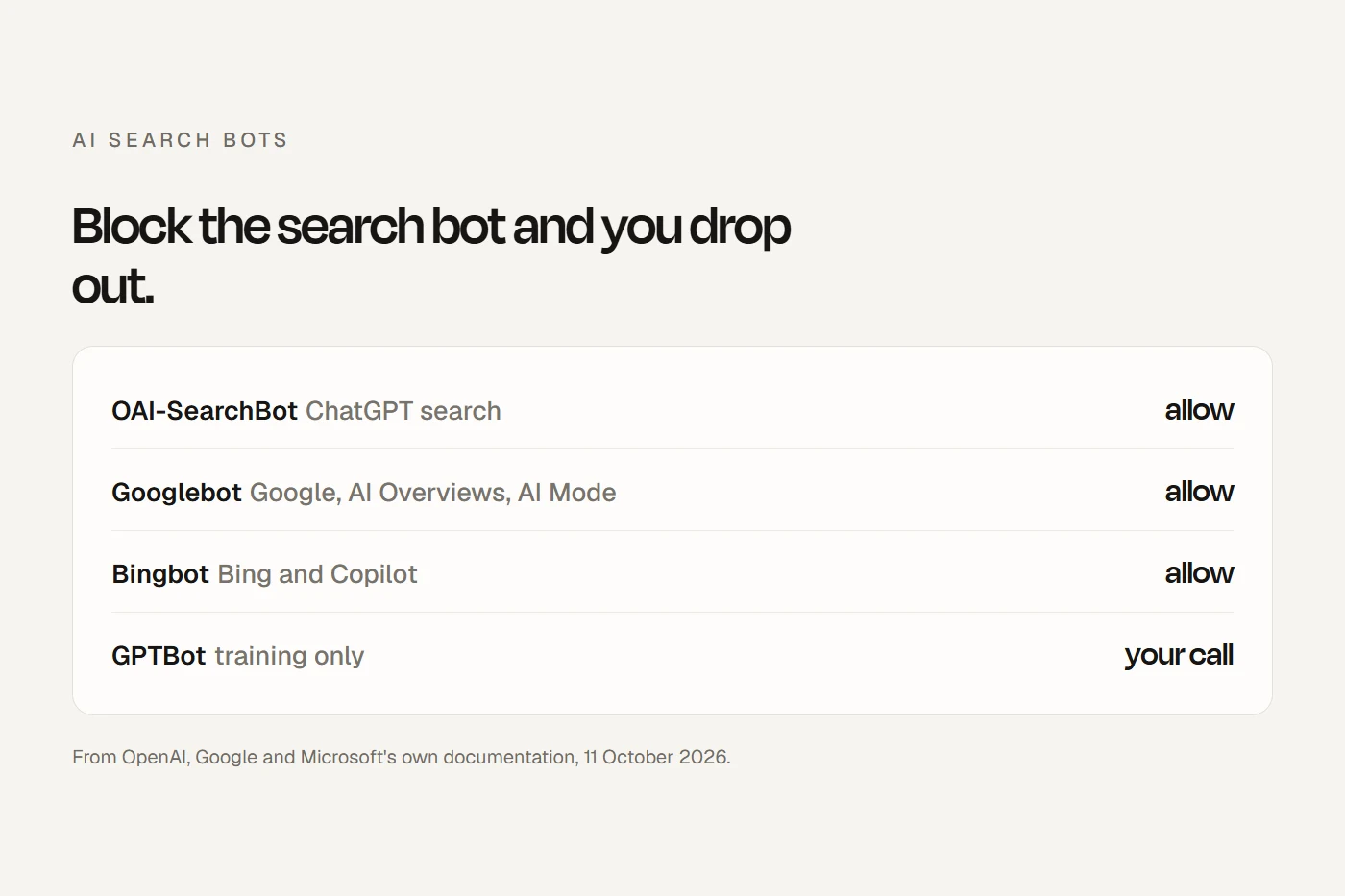
- OAI-SearchBot finds pages for ChatGPT search. Block it and your site "will not be shown in ChatGPT search answers".
- GPTBot collects content for training. Blocking it doesn't keep you out of ChatGPT search.
- ChatGPT-User fetches a page when a person asks ChatGPT to. OpenAI says it isn't used to decide what appears in search.
Where does ChatGPT get its results? OpenAI says ChatGPT search "sometimes partners with other search providers", rewriting your question into searches it sends them, and the providers it names are Microsoft and Shopify. For a question like restaurants near me, it may turn your rough location into a search like "top restaurants San Francisco". It says it may use "trusted third-party providers" for nearby business listings, but doesn't name them. You'll read confident claims online about exactly where ChatGPT's local listings come from; OpenAI doesn't say, so I won't either. Since Microsoft is a named provider, being in Bing (below) is a reasonable bet, but that's my inference.
Can you pay to be recommended?
No. ChatGPT now has ads, and Australian businesses can buy them through OpenAI's Ads Manager. But OpenAI says: "Ads do not influence ChatGPT's answers." Ads appear below the answer, and they're "not eligible to appear near sensitive or regulated topics, including personal health, mental health, or politics". So for a health practice, ChatGPT ads won't show next to health conversations at all.
Copilot, Siri, Perplexity and Claude
Microsoft Copilot runs on Bing. Bing's webmaster guidelines say Bing and Copilot "rely on the same core crawling, indexing, and ranking foundation as traditional search", and they use the term GEO themselves, adding: "GEO does not guarantee grounding or citations in AI experiences." Two Bing-specific settings matter: a noarchive tag "prevents content from being used in Copilot responses", and nocache limits Copilot to your URL, title and snippet. Bing Places for Business is free, covers Australia, and can import your Google Business Profile so you don't have to keep two listings by hand.
Apple has rolled Apple Business Connect into a free service called Apple Business. Its guide says your place card "appears in many parts of Apple's software, from Maps to Siri to Calendar, Messages and more". Apple says the display name "Needs to match the name on the shop front or website".
Perplexity uses PerplexityBot for its search results and says it isn't used to train AI models. Anthropic, which makes Claude, uses Claude-SearchBot for search and ClaudeBot for training. Both also have bots that fetch a page when a user asks. Perplexity says its one, Perplexity-User, generally ignores robots.txt; Anthropic says blocking Claude-User stops Claude fetching your pages for its users.
Check your robots.txt
Your robots.txt file tells each of these bots whether it's welcome. It's at yourdomain.com.au/robots.txt. Open it in a browser, copy the whole thing, and paste it below. Blocking the training bots is up to you and doesn't affect whether you show up; blocking the search bots does.
The example above blocks OpenAI's search bot as well as its training bot, which is a common mistake: someone wanted to keep content out of AI training and switched off ChatGPT search with it.
What about llms.txt?
You may be told you need an llms.txt file. It's a format proposed by Jeremy Howard in September 2024 to give AI tools a summary of a site. Google's guide is clear that Google Search ignores it: creating one "will neither harm nor help your site's visibility or rankings in Google Search". I couldn't find any statement from OpenAI or Anthropic that ChatGPT or Claude read other sites' llms.txt files to decide what to show. It does no harm. It just isn't the thing that gets a local business recommended.
Myth or fact
Tap each one.
What AI answers do to clicks
The honest part: when Google shows an AI summary, fewer people click through to websites. Pew Research studied US users' browsing in March 2025 and found people clicked a regular result on 8% of visits when an AI summary appeared, against 15% when one didn't, and clicked a link inside the summary only 1% of the time. Google says overall clicks have been stable. Neither figure is Australian, and these studies are mostly about searches for information rather than someone looking for a local business.
For a local service business, the useful part is that Google says its AI answers can include information about local businesses. Being one Google knows about, with the right details, is what you can control.
The checklist
- Google Business Profile claimed, verified, with your hours, category and address complete.
- Search Console verified, and the Search generative AI control not set to exclude.
- Bing Places claimed, or imported from your Google profile. It's free.
- Apple Business place card claimed, for Maps and Siri.
- robots.txt allows Googlebot, Bingbot, OAI-SearchBot, PerplexityBot, Claude-SearchBot and Applebot. Check it with the tool above.
- Your host or CDN isn't blocking those bots. Ask your web host.
- Key facts as text on your site, not in images: services, the areas you serve, hours and phone.
- The same name, address and phone everywhere.
- No nosnippet or noarchive tags on pages you want to be cited.
What I'd do, in order
If I had an afternoon for a local business, I'd spend it like this. First the Google Business Profile, because it feeds both the map results and Google's AI answers. Then robots.txt and the host settings, because that's the quiet lockout. Then Bing Places and Apple Business, which take minutes once the Google profile is right. Then the website itself: a clear page for each service, written in plain words, with the details as text. None of it is GEO. It's the same work that has always made a business easy to find, and it's what the AI companies themselves say they use.
Questions I get asked
How do I get my business to show up in ChatGPT?
OpenAI says to allow its search bot, OAI-SearchBot, in your robots.txt and make sure your host or CDN doesn't block OpenAI's search bot addresses. It also says placement isn't guaranteed.
What is generative engine optimisation?
The name for trying to appear in AI-generated answers. Google says that, for its AI features, it's still SEO, with no special requirements.
How do I rank in Google's AI Overviews?
Google says there are no additional requirements. Your page must be indexed and eligible for a snippet, and Google recommends keeping your Business Profile up to date.
Do I need an llms.txt file?
Not for Google, which says Google Search ignores it. I found no statement from OpenAI or Anthropic that their search products use other sites' llms.txt files.
Can I pay to be recommended by ChatGPT?
No. OpenAI says ads don't influence ChatGPT's answers; ads appear below the answer, and not near personal health topics.
Is SEO dead because of AI?
No. Google and Bing build their AI answers on their own search indexes, and ChatGPT search draws on search providers including Microsoft, so the basics still decide whether you're found.
About this guide
Written by Joseph Alzein, founder of bdog. I build websites and run marketing for Australian businesses. Everything here comes from Google, OpenAI, Microsoft, Apple, Perplexity and Anthropic's own pages, and Pew Research, read on 11 October 2026. These systems change quickly, so check the current pages.
Main sources:
- Google: AI features and your website
- Google: optimising for generative AI features
- Google: Search generative AI control
- Google: Generative AI performance report
- Google: robots meta tags
- Google: crawlers, including Google-Extended
- Google: improving your local ranking
- OpenAI: searching the web with ChatGPT
- OpenAI: crawlers
- OpenAI: ads in ChatGPT
- Bing Webmaster Guidelines
- Bing Places for Business
- Apple Business: place cards
- Apple: Applebot
- Perplexity: crawlers
- Anthropic: crawlers
- llms.txt proposal
- Pew Research: clicks and AI summaries