Is SEO worth it for a small business?
An honest answer from someone who sells it: what Google says you can do yourself for free, how long it takes, how to work out whether the fee pays for itself, and the red flags in an SEO proposal.
On This Page
Search "is SEO worth it" and almost every answer on page one is written by someone who sells SEO. Mine is too, so let me say that up front: bdog's Marketing plan, from $500 a month plus GST, includes SEO. That's exactly why I want this to be the straight version. Sometimes SEO is worth paying for. Often it isn't yet, because the things that move a local business on Google are things you can do yourself for free. Google says as much on its own page about hiring an SEO.
- Do the free basics firstGoogle says a small local business "can probably do much of the work yourself": your Business Profile, reviews, and a clear page for each service.
- Then do the sumWork out how many extra enquiries a month SEO would need to bring in to pay for itself. If you can't picture it, it isn't worth it yet.
- If you hire, check the proposalGuarantees, link packages, secrecy and lock-in contracts are on Google's and the ombudsman's warning lists.
Everything below comes from Google's own documentation, the ACCC, and research commissioned by the Australian Small Business and Family Enterprise Ombudsman, all read on 11 October 2026. Where a figure comes from a company that sells SEO tools, I say so.
What Google says about hiring an SEO
Google has a page called "Do you need an SEO?", and it's more even-handed than most of what you'll read. It says hiring "can potentially improve your site's visibility and save you time, but you can also risk damage to your site and reputation". It says "Many SEOs and other agencies and consultants provide useful services", and that a great time to hire is when you're redesigning or launching a site. And then this:
"If you run a small local business, you can probably do much of the work yourself."
It also says, plainly: "Google never accepts money to include or rank sites in our search results, and it costs nothing to appear in our organic search results." Advertising with Google doesn't help either. For the map results, Google's local ranking help says: "There's no way to request or pay for a better local ranking on Google."
The free basics, before you pay anyone
Google bases local results on three things: relevance ("how well a Business Profile matches what someone is searching for"), distance ("how far each business is from the customer who's searching") and prominence ("how well-known a business is", including reviews and links). Nobody can change your distance. The other two you can work on yourself.
Your Google Business Profile
It's free. Verify it, then fill in everything: your full address if customers visit, your hours including holiday hours, your category, and photos. Google says "Businesses with complete and accurate info are more likely to show up in local search results." Use your real business name, exactly as it appears on your sign. Google says adding unnecessary information to the name "isn't permitted, and could result in the suspension of your Business Profile", so don't stuff suburbs or services into it.
Reviews
Ask every customer, the same way, with a link or a QR code, and reply to the reviews you get. Don't offer anything in return: Google calls incentives "fake engagement" that is "strictly prohibited", and also bans asking only your happy customers. If you're a health practice, Ahpra's rules on testimonials also apply to how you use reviews in your own advertising.
Your website
- A clear title on every page. Google: "Make sure every page on your site has a title", and avoid "vague descriptors like "Home"". Your business name, what the page is about and where you are is a good start.
- A real page for each service you want to be found for. Google doesn't put it in those words, but its advice to anticipate the words people search for, and to write content people find useful, points that way. What it warns against is dozens of near-identical suburb pages: Google lists "pages targeted at specific regions or cities that funnel users to one page" as doorway abuse.
- A site that's quick on a phone. Google uses Core Web Vitals in ranking, but says chasing a perfect score "may not be the best use of your time". Fast and usable is the goal.
Google's own SEO Starter Guide covers the rest and says there are "no secrets here that'll automatically rank your site first in Google". It also says not to bother with the keywords meta tag, and that there's "no magical word count target".
How long SEO takes
For years, Google's hiring page said results take "typically from four months to a year from the time you begin making changes until you start to see the benefits". In June 2026 Google rewrote the page and dropped the number. Now it just tells you to ask the SEO: "What kind of results do you expect to see, and in what timeframe?"
Google's Starter Guide says some changes take effect "in a few hours, others could take several months", and that you'll "likely want to wait a few weeks" before judging whether something worked. Most agency answers you'll find say three to six months. Nobody publishes reliable Australian figures, so treat any promised timeframe as a guess, and get it in writing.
Is it worth it for you? Do the sum
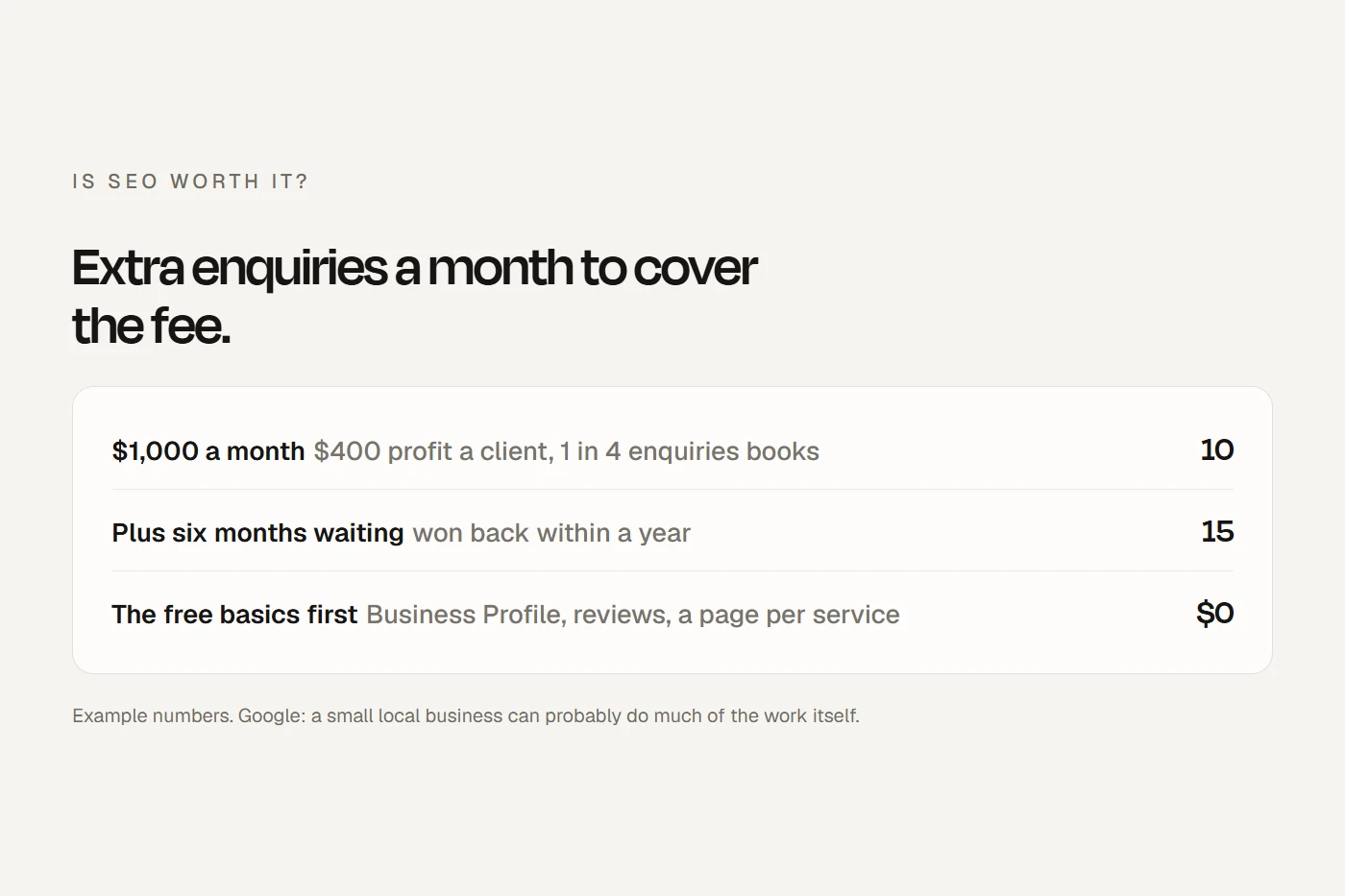
This is the question that matters, and it's arithmetic. An SEO fee is worth paying if it brings in enough extra clients, that you wouldn't have got anyway, to cover itself. Put in your own numbers.
Use profit per client, not revenue: what's left after materials and staff time. The starting numbers are an example.
With the example numbers, a $1,000 monthly fee needs 10 extra enquiries a month just to break even. If it takes six months to start working, you've spent $6,000 first, and winning that back within a year means 15 extra enquiries a month. If you get five enquiries a month from Google now, that's asking SEO to quadruple them. My test is simple: if you can't picture that many extra enquiries, it isn't worth paying for yet. Do the free basics and come back to it.
Should you pay for SEO yet?
Red flags in an SEO proposal
Paste in an SEO proposal or a cold email below. It flags the phrases Google and the regulators warn about. It runs in your browser, so nothing you paste leaves this page.
A few more from Google's list that a paste box can't catch. If someone wants to audit your site, give them read-only access to Search Console: Google says "don't grant them write access" at that stage. You should never have to link to them from your site. And remember Google's line: "Ultimately, you are responsible for the actions of any companies you hire".
What the small business ombudsman found
The Australian Small Business and Family Enterprise Ombudsman commissioned research from the University of the Sunshine Coast on small businesses and their digital marketing providers, which covers SEO along with ads, social media and websites. From the survey of 420 owners: nearly three in four stayed with their provider less than 12 months, about one in three ended up in a formal dispute, and half said their provider "aggressively tried to push services that were too expensive or irrelevant". The ombudsman's summary was that "one-in-three end up in a dispute with their provider".
The ombudsman's guide for small businesses lists what should be in a digital marketing contract. I'd hold any SEO provider, including me, to it.
- What you'll receive and when, in writing.
- "All costs, payment timings and overall contract costs".
- "Regular and detailed reporting of results".
- "Simple and clear exit processes, including early termination and any penalties".
- Handover at the end: "assets, access, permissions, passwords, and systems", and your accounts.
- Who owns the domain and your Business Profile. It should be you.
- What results they expect, by when, and how they'll measure them. Google's own question.
- Examples of their previous work, and past clients you can talk to.
What AI search changes
Google's AI Overviews answer some questions on the results page, and fewer people click through when one appears. Pew Research, studying US users' browsing in March 2025, found people clicked a regular result in 8% of visits when an AI summary appeared, against 15% when it didn't. Google says overall clicks to websites have been "relatively stable". Studies from SEO tool companies report bigger drops, mostly for informational searches. None of this data is Australian.
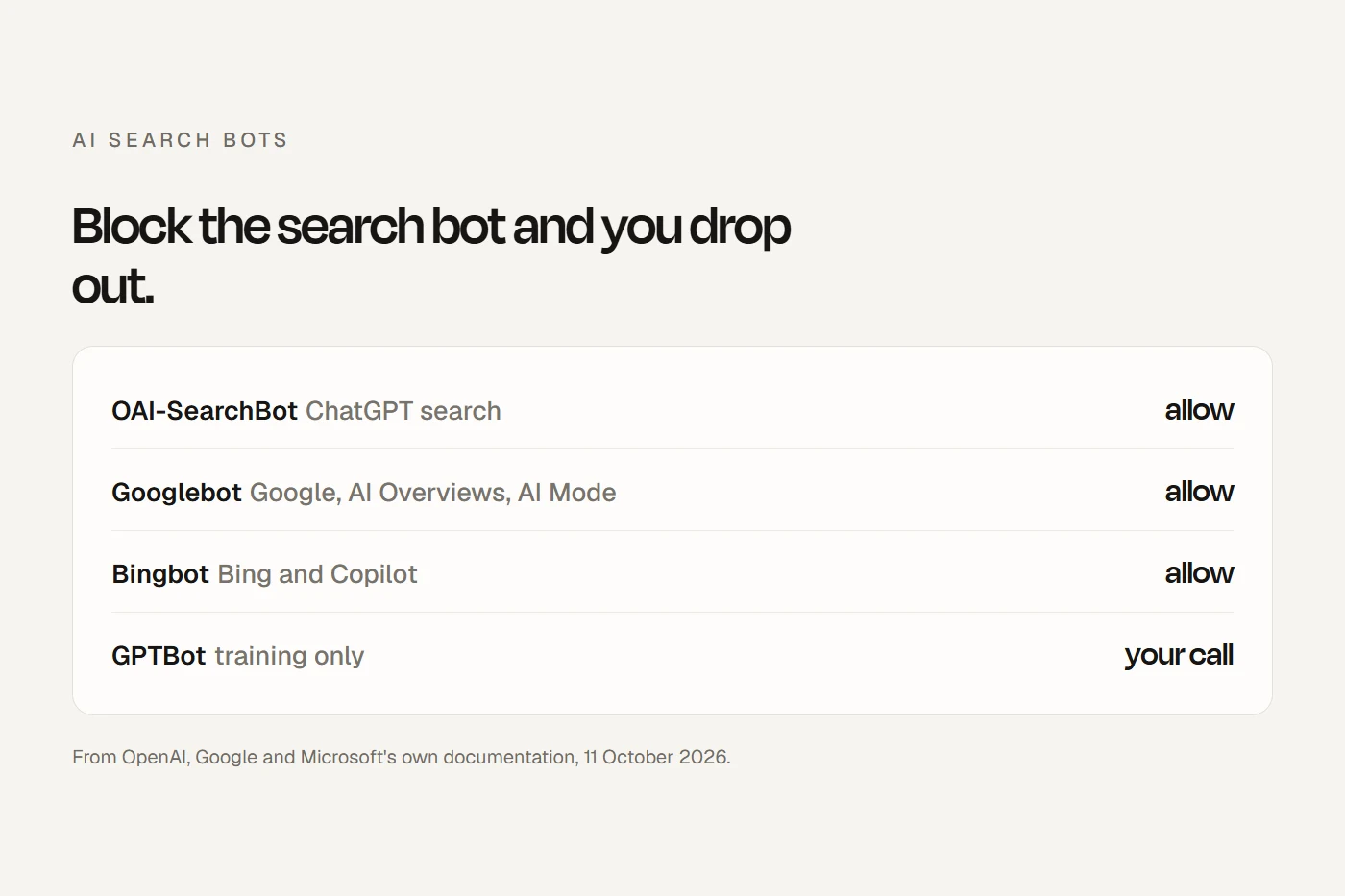
The part that matters for a local business: the click studies mostly measure searches for information, not "physio near me". And Google says there's no special trick for AI results: "There are no additional requirements to appear in AI Overviews or AI Mode, nor other special optimizations necessary." The same basics apply, including an up-to-date Business Profile.
Where bdog fits
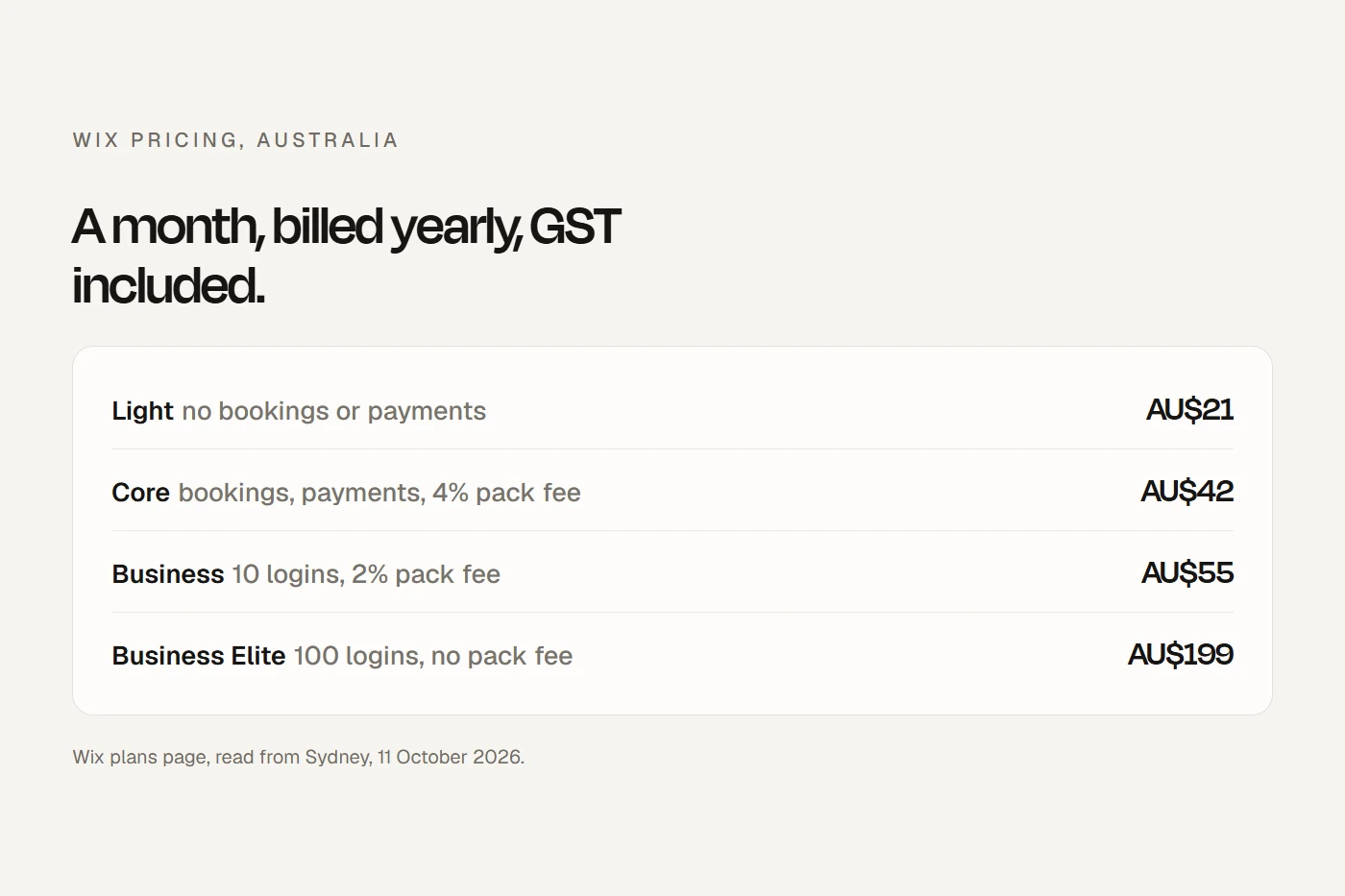
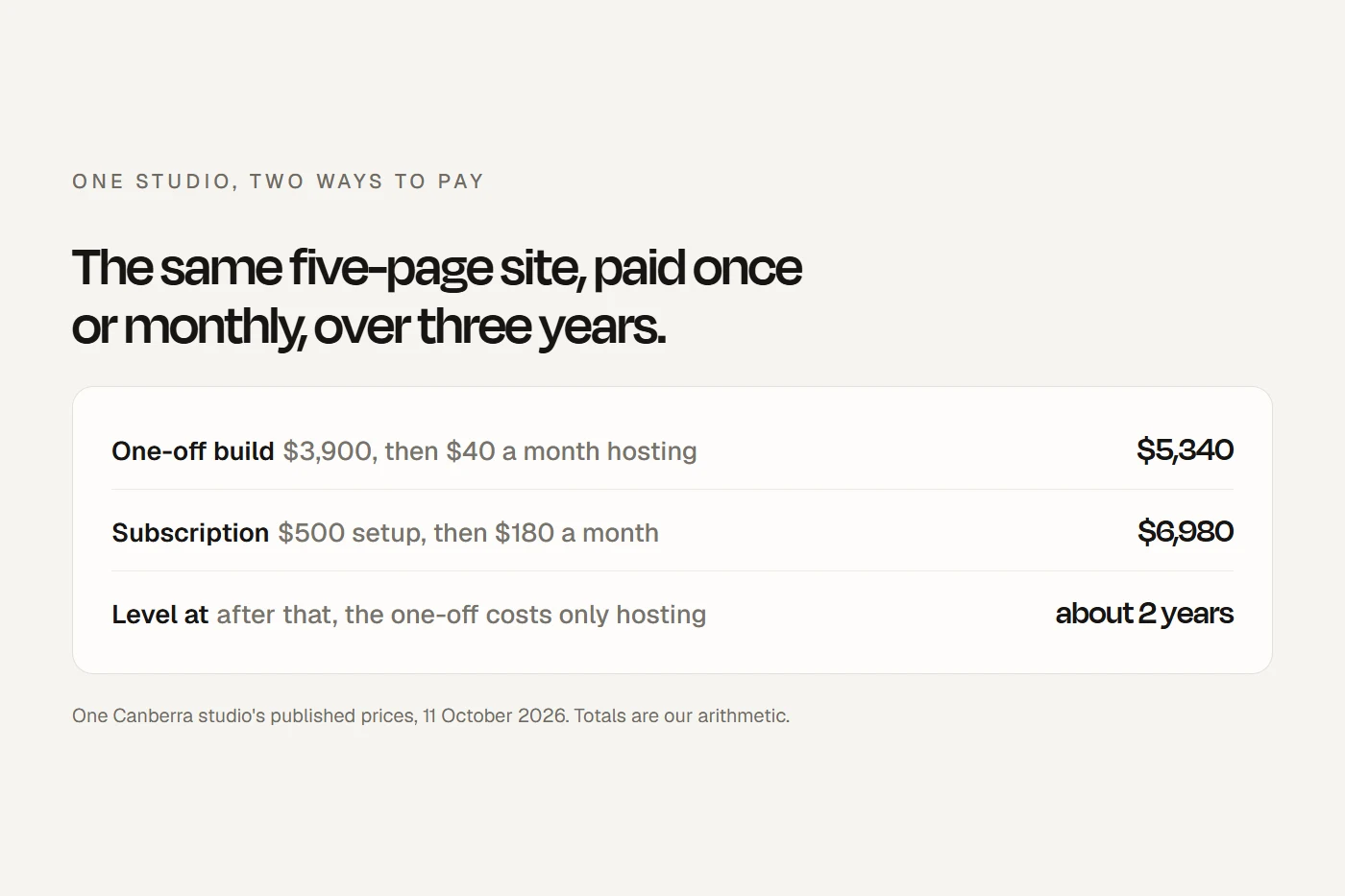
Since I've told you to be suspicious of SEO sellers, here's what I sell. Every bdog website is built with a clear title on every page and is quick on a phone, and the Full Site plans give each service its own page. That's the part I think every business should have before paying anyone for SEO. Our Marketing plan, from $500 a month plus GST and quoted after a call, adds ongoing work on your Google Business Profile, website SEO, ads and content, with ad spend separate. If the sum above doesn't work for your business, I'd rather you didn't buy it.
Questions I get asked
Is SEO worth it for a small business?
It can be, once the free basics are done and the numbers work. Google says a small local business can probably do much of the work itself. Work out how many extra enquiries a month an SEO fee would need to bring in, and whether that's realistic.
How long does SEO take?
Google's guide says some changes take hours and others several months, and to wait a few weeks before judging. For years its hiring page said four months to a year; it no longer gives a number.
Can anyone guarantee a page one ranking on Google?
No. Google says "No one can guarantee a #1 ranking on Google" and to beware of SEOs who claim to.
Can I pay Google to rank higher?
No. Google says it never accepts money to rank sites in its organic results, and there's no way to pay for a better local ranking. Ads are separate and don't affect organic rankings.
Can I do SEO myself?
Much of it, for a local business. Verify and complete your Google Business Profile, ask every customer for a review, and give each service a clear page with a clear title.
Is SEO dead because of AI?
No. Google says the same basics apply to its AI results, with no special optimisation needed. Clicks are falling for some informational searches, but the studies mostly don't measure local service searches.
About this guide
Written by Joseph Alzein, founder of bdog. bdog's Marketing plan includes SEO, so I have an interest; I've stuck to what Google, the ACCC and the ombudsman's research say. Read on 11 October 2026. This is general information, not legal or financial advice.
Main sources:
- Google: Do you need an SEO?
- Google: SEO Starter Guide
- Google: improving your local ranking
- Google: guidelines for your Business Profile
- Google: getting more reviews
- Google Maps: fake engagement policy
- Google: title links
- Google: spam policies
- Google: page experience
- Google: AI features and your website
- ASBFEO: getting the most out of your digital marketing provider
- ASBFEO research report (University of the Sunshine Coast)
- ACCC: false or misleading claims
- ACCC: contracts and unfair terms
- Pew Research: clicks and AI summaries
- Google: AI search and clicks