Law firm marketing: how small firms get clients
A 2026 regulator survey shows how Australians actually find a lawyer. Here’s each channel that follows from it, what it costs, and where the conduct rules, Google and the consumer law draw the line.
On This Page
Most law firm marketing advice online is written by agencies selling it or by American software companies, and it shows: talk of "funnels" and attorney ads, with nothing on the rules an Australian solicitor actually works under. This guide is for the principal of a small Australian firm who wants more of the right clients, and wants to know which channels work and what each one lets you do.
I've started with the best data we have on how Australians choose a lawyer. Then I go through each channel: what it costs, and where the Solicitors' Conduct Rules, Google's policies and the consumer law draw the line. It's general information, not legal advice. Where a rule is close, I'll tell you to ring your law society's ethics line, and I mean it.
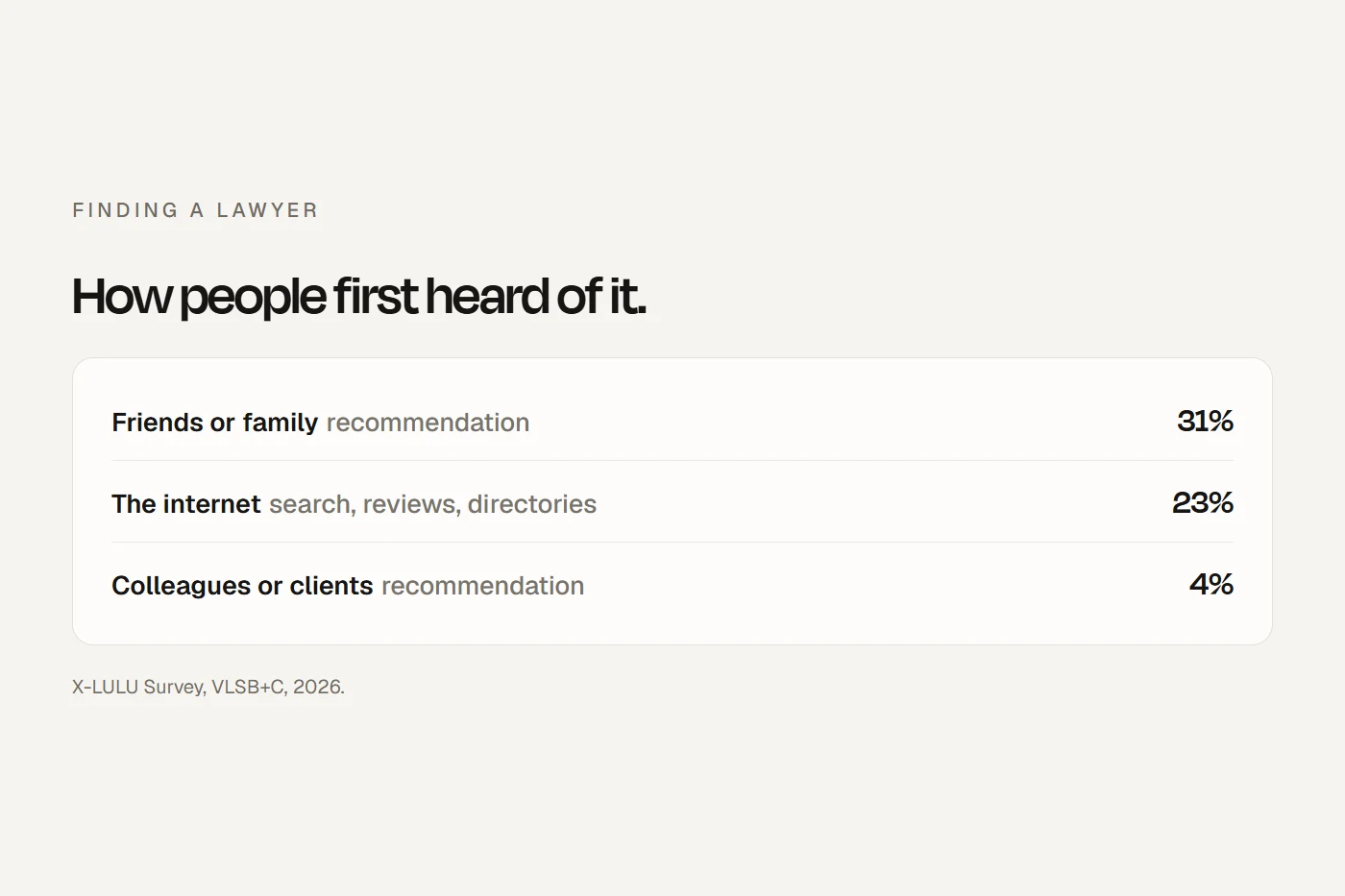
- Most clients still come by word of mouthAbout half of private solicitors' clients had used them before, and friends and family were the most common way people first heard of a lawyer.
- But they check you onlineNearly half of all people who used a legal service researched online first. The thing they looked up most was reviews.
- So the order is:look after past clients and referrers, get your Google profile and reviews right, make the website answer the questions people ask, and only then pay for ads or leads.
How Australians find a lawyer
In 2026 the Victorian Legal Services Board and Commissioner published a survey of about 2,000 people outside Victoria who'd used legal services, run by Roy Morgan. It's the most recent national picture we have, and it's more useful than any agency's opinion.
Almost nobody (under 1%) mentioned newspapers, magazines, TV or radio. A few more findings worth knowing:
- Returning clients are about half. "48% of clients of followed-up private solicitors had used them on a previous occasion."
- Private solicitors are found online less than other legal services: 35% of their clients had searched the internet, against 54% for other services. Victoria's version of the survey, which looked at disputes, found more online searching, but the same pattern.
- Skills and experience decide it. They were the most common reason people chose a provider (51%), then how they could communicate (49%) and location (48%). For solicitors, location mattered to 54%.
- Unhappy clients rarely post reviews. "Just 4% of dissatisfied legal service users posted online reviews." Most of your reviews will come from clients you ask.
- People look up prices. 15% of the time, people searched for prices online, and 26% asked a firm directly about costs.
Read together, the data says your best marketing is the work, your past clients and the people who refer to you. The internet is mostly where people check you before they ring.
Past clients and referrers
If about half your clients come back, the cheapest marketing you have is staying in touch with past ones. An email newsletter works, within the Spam Act: you need consent, the email has to identify your firm, and it needs a working unsubscribe that you honour within five working days. Consent can be express, or sometimes inferred from an existing relationship. If in doubt, ask.
Referrers are the other half: accountants, financial planners, real estate agents, other firms that don't do your kind of work. Keep a list, and know which ones actually send you matters.
Paying for referrals
Here's where the rules bite. Rule 12 of the Solicitors' Conduct Rules allows you to act for a client where a referrer is paid, "provided the solicitor has first disclosed the payment or financial benefit to the client." The Queensland Law Society's guidance adds that the disclosure and the client's consent should be in writing before you're retained, and should include the amount or how it's calculated. QLS is blunt about fine print: disclosure "is unlikely to be effectively given by limiting it to 'fine print', footnotes or a general disclaimer."
Going the other way, if you receive a commission for referring a client to, say, a financial planner, you must tell the client what it is, tell them they can refuse the referral, and get their informed consent.
In personal injury, paying for referrals is banned outright in Queensland, and NSW passed the Claim Farming Practices Prohibition Act in 2025, which bans paying or receiving anything for referring personal injury claims, and approaching people for payment to get them to make a claim. If you do injury work, check your state's rules before you pay anyone for anything.
Your Google Business Profile
When someone hears your name from a friend, the next thing they usually do is search it. Your Google profile is what they see first. Google's rules for law firms are specific:
- Lawyers can have their own profiles. Google calls lawyers "individual practitioners", who can have a profile if they're public-facing and can be contacted at the office during its hours. Support staff can't, and a lawyer shouldn't have several profiles for different practice areas.
- The firm gets its own profile too, separate from its lawyers'. A lawyer's profile carries only their name, not the firm's.
- A sole practitioner shares one profile with the firm, named in Google's format "[brand]: [practitioner name]".
- The name is your real name. No "Family Lawyers Parramatta" unless that's what's on your sign. Extra words can get the profile suspended.
- No virtual offices. A rented address you don't work from isn't eligible, and a co-working space only counts if it has your signage and you see clients there, staffed, during opening hours.
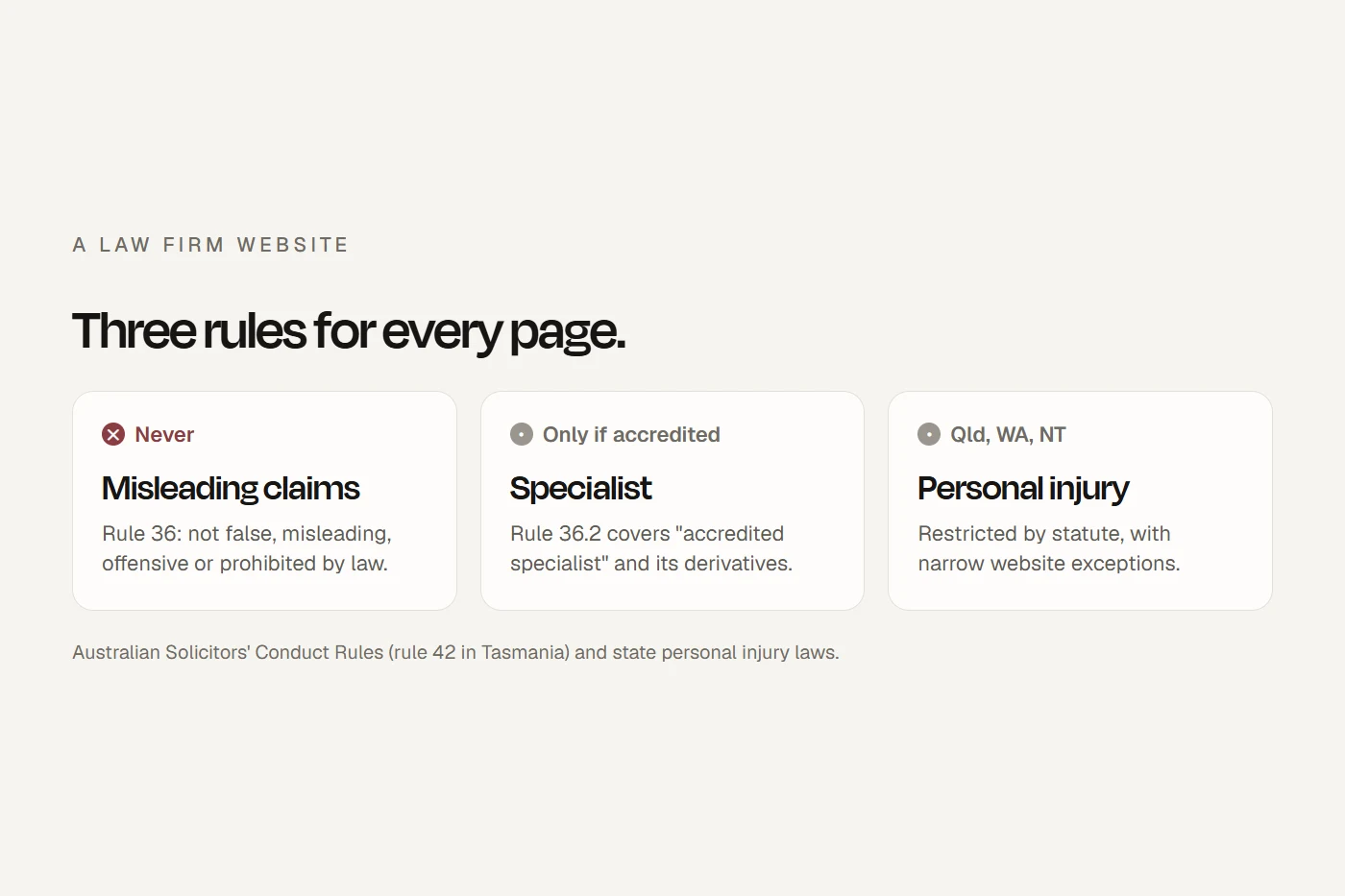
Your profile is advertising under rule 36, so the same limits apply as anywhere else. Don't call yourself a "specialist" in the description or categories unless you're accredited by your law society.
Reviews: asking, and replying
Asking for reviews is allowed. No Australian rule stops a solicitor asking. What's not allowed:
- Asking only happy clients. Google bans it, and the Queensland Law Society calls soliciting feedback "only from clients you know are happy" a form of manipulation.
- Offering anything for a review, such as a discount or a gift card. Google bans incentives outright.
- Fake or conflicted reviews, including from staff or family. They break the Australian Consumer Law and Google's rules, and QLS says buying or writing fake reviews "would contravene a solicitor's fundamental duty of honesty".
So: when a matter ends, send every client the same short message with your Google review link. My guide to local SEO has a review request builder that keeps to Google's rules.
Replying to a bad review
This is where lawyers get into real trouble. Your duty of confidentiality doesn't pause because a client has criticised you in public. QLS says confidential information can be used to defend a bill or a disciplinary charge, but "we cannot do so to rebut a client's criticism on social media or a review site". In a 2009 Queensland case, a solicitor who disclosed a client's past convictions after she criticised him in public was found guilty of professional misconduct.
QLS also says that "not responding to reviews at all creates the impression that you don't care." The safe course is a reply that thanks them, says nothing about any matter, and doesn't confirm or deny they were a client:
Thank you for taking the time to write this. Our duty of confidentiality means we can't discuss any matter here. Please call [name] on [number] so we can talk it through.
If a review is defamatory, you can ask the site to remove it. QLS's caution: it "is often not straightforward", and any letter of demand needs to be proportionate.
Your website
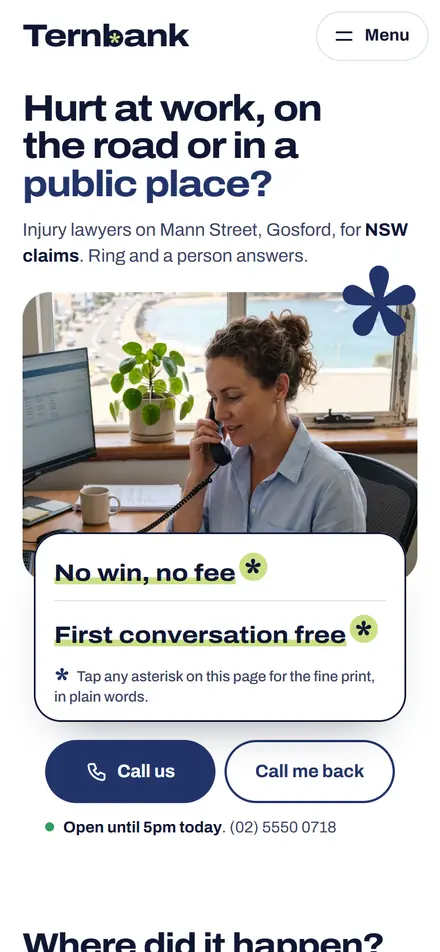
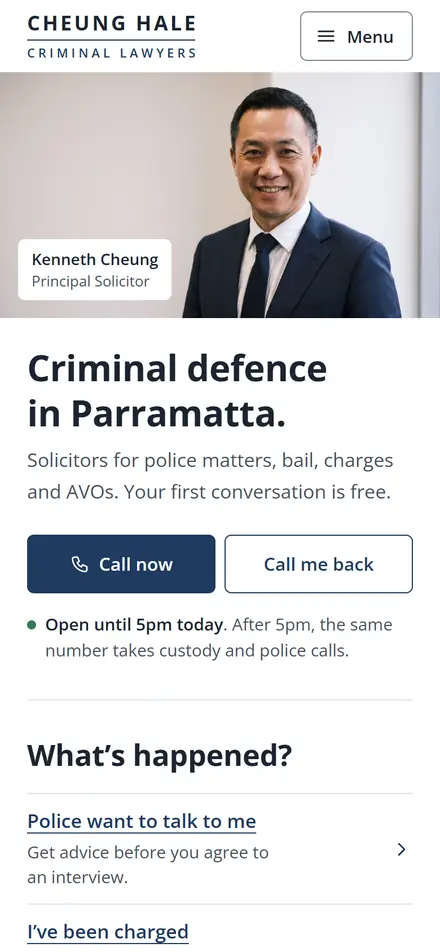
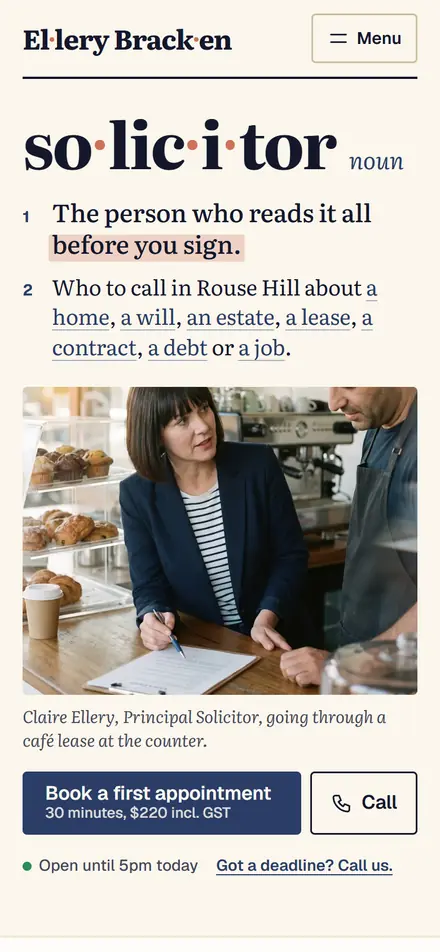
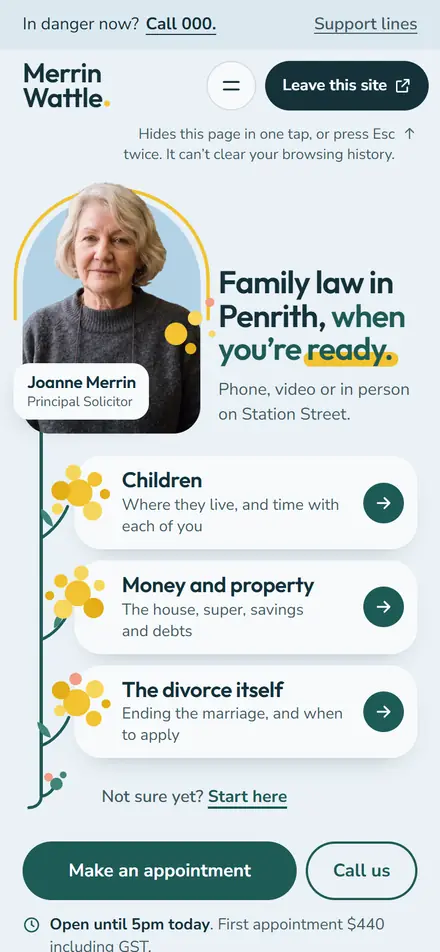
People who find you online are mostly checking three things: whether you do their kind of matter, whether you seem good at it, and what it might cost. A website that answers those gets the call. That means a page for each practice area, written for the client rather than other lawyers, your people with their experience, and a straight answer on fees: fixed fees where you offer them, and how you charge where you don't.
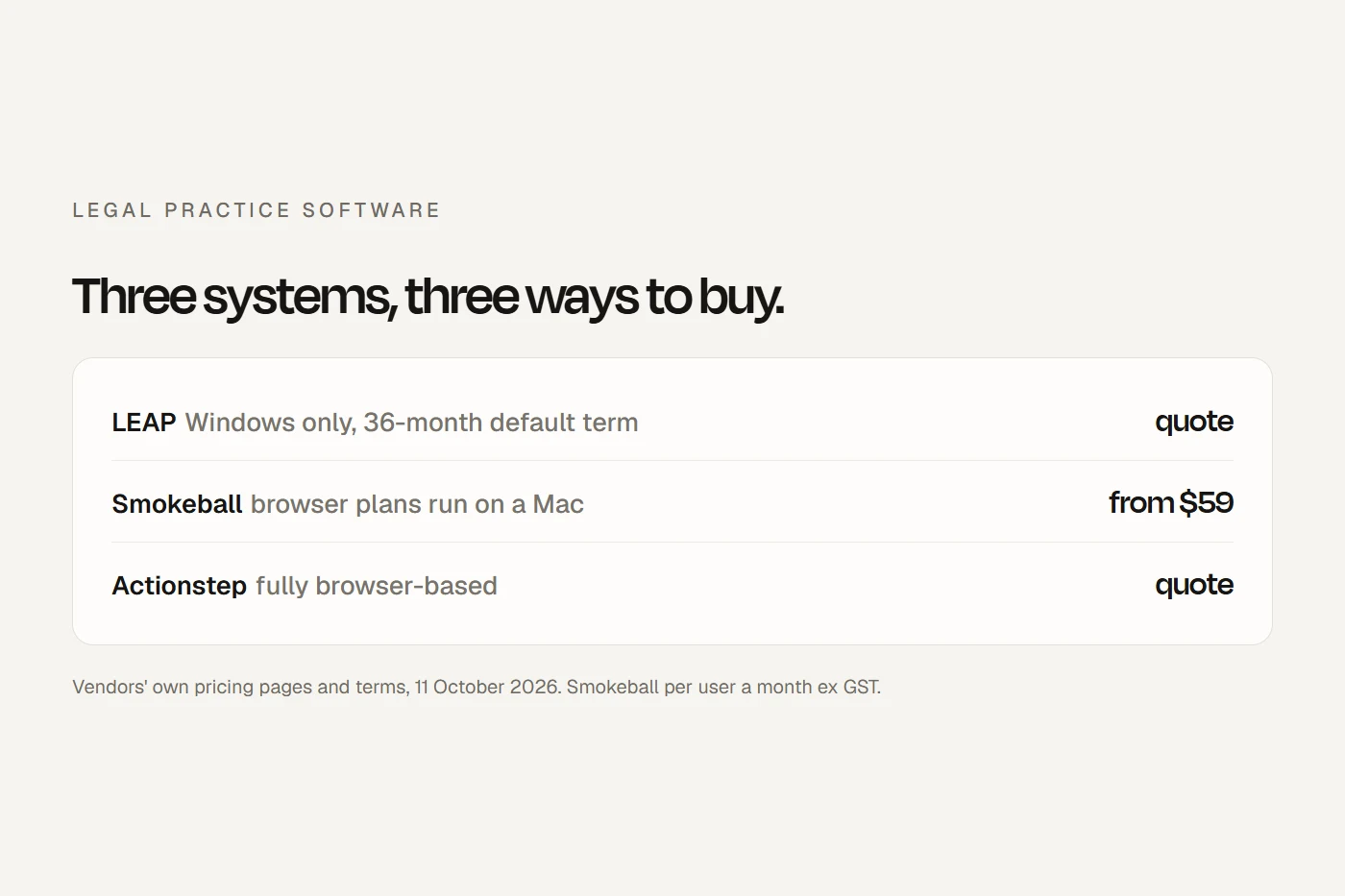
The rules on what a firm's site can say, from "specialist" to testimonials, prices and the fine print, are in my law firm website checklist, with a tab for each state. And make sure enquiries land somewhere you'll see them: Smokeball, Actionstep and LEAP all have ways to pull web enquiries into your practice software, compared in LEAP, Smokeball or Actionstep.
Directories and lead platforms
There's a big difference between paying for a listing and paying for a client. A flat fee for a listing is advertising. A fee for each client, job or enquiry that becomes a matter looks much more like a payment for a referral, which brings rule 12's disclosure into play and, in personal injury, may be banned. That's my reading; I haven't found a regulator page that draws the line for online platforms, so check with your law society.
| Platform | How it works | What you pay | Referral rules |
|---|---|---|---|
| Law Society of NSW Solicitor Referral Service | The public calls or searches; the service finds "up to three firms" nearby from about 1,200 | Not published | No per-referral fee found |
| QLS Find a Solicitor | Public search by location and area of law; members choose up to three areas | No listing fee mentioned; full QLS members only | No referral fee |
| Law Society of SA See a Lawyer | Matches clients with member firms by area of law | From $196 for a sole practitioner to $1,396 for a large firm, GST included, per office | Flat fee |
| LIV Find Your Lawyer (Vic) | Refers the public to members offering a free first consultation | Not published | Not published |
| LawTap | Online booking and a directory ranked partly by verified client reviews | $50 per lawyer a month (three-month minimum) or $400 a year, GST included, plus a fee on paid appointments | Subscription, no per-referral fee |
| Lawpath marketplace | Clients request fixed-price quotes from participating firms | A "platform fee" per job, amount not published | Per job: I'd treat it as a referral payment and disclose it |
| Pay-per-enquiry lead sellers | Enquiries from cost-guide websites, sent to one firm per area | Typically a flat monthly fee or a fee per enquiry | Per-enquiry pricing is where rule 12 bites hardest |
Scroll the table sideways to see every column.
Your law society's referral service is the obvious first listing: it's cheap or free, and the public trusts it.
Google Ads
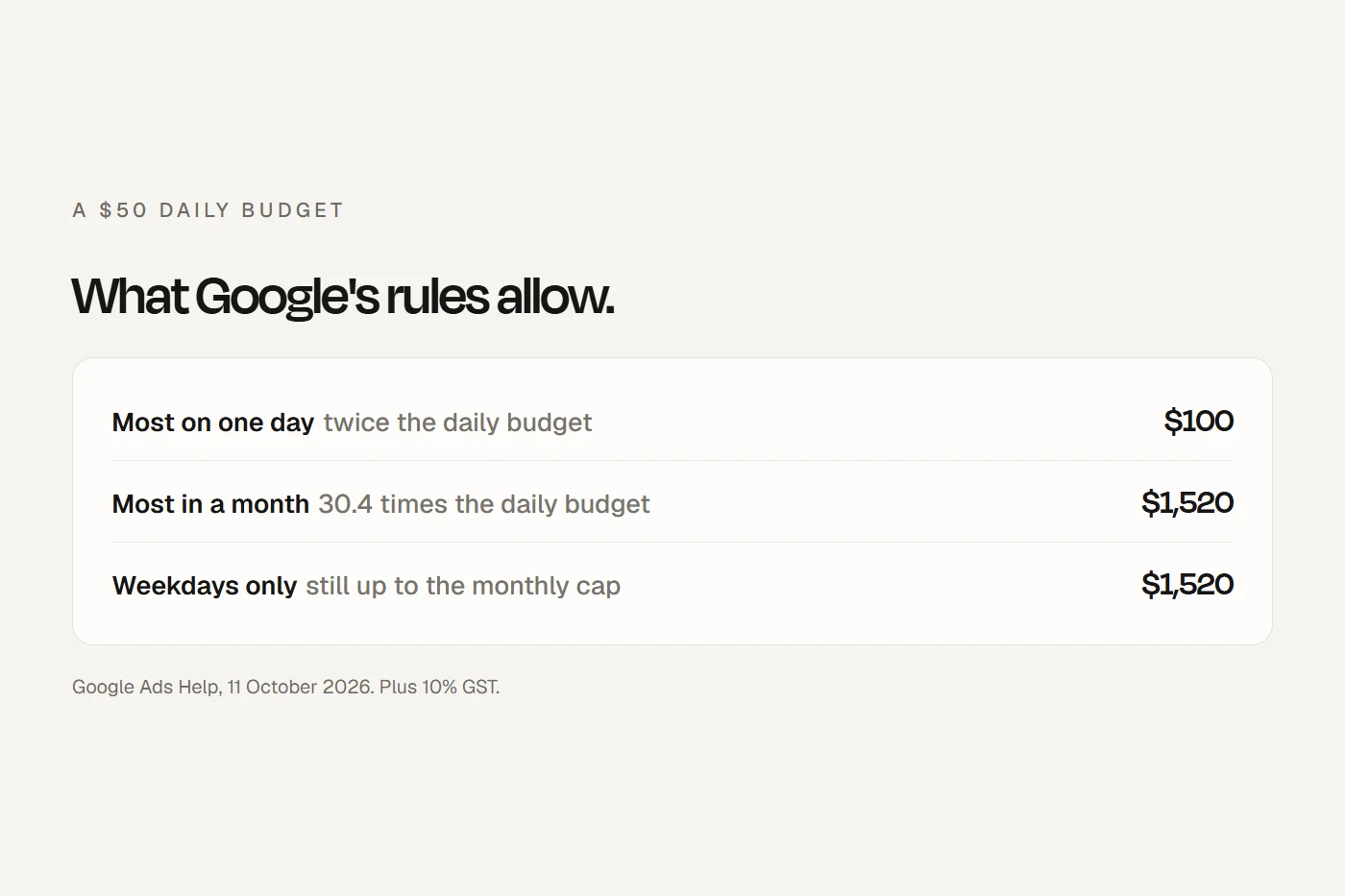
Google Ads can work for practice areas where people search when they need help now, such as family, criminal or wills and estates. It's expensive per click for legal terms, and I couldn't find credible Australian cost-per-lead figures for law firms. The best-known benchmark is American: LocaliQ's US legal campaigns averaged about US$111 per lead, with family law about US$104 and estates about US$72. Treat that as a rough sense of scale, not an Australian price. I go through budgets and the maths in what Google Ads really costs.
Bidding on another firm's name
You'll find no Australian law society guidance on this. What the general law says: buying a competitor's name as a keyword isn't trade mark use (the Federal Court said so in 2016), and Google's policy doesn't restrict trademark keywords. Putting another firm's name in your ad text is different. Google restricts it on complaint, and an ad that reads as if it's from the other firm risks being misleading under the consumer law and rule 36. In 2021 the Federal Court found Google ads that implied a business was a government agency were misleading, and QLS's Proctor noted that using ads like that "may also be a breach" of the conduct rules. If you bid on a name, make your own firm's name obvious in the ad.
Articles and social media
Practice-area articles help people understand their problem and find you. The Queensland Law Society's Guidance Statement No. 24 is the most complete Australian guidance on social media and websites. Its main points:
- Articles "should be reviewed regularly and updated if the law has changed", ideally checked by a second person, and "most of all should be correct."
- Don't comment on active files, and remember rule 28.1: nothing about current proceedings that could prejudice a fair trial. That includes the LinkedIn post about a win while an appeal is still open.
- Answering someone's question in comments or messages can create a client relationship you didn't intend, and conflicts that come with it.
- You can be held responsible for other people's comments on your page. Turn comments off unless you'll moderate them.
A short note that an article is general information about your state's law, not advice for a particular situation, is common practice. I couldn't find any law society rule that prescribes the wording.
Can I do this?
Tap a tactic to see the answer and the rule behind it. General information only; your state's rules and your law society's ethics line have the last word.
What a client costs you, by channel
Put in one channel's numbers for a month: a directory, Google Ads, a lead platform. Then do the next one. You need to count enquiries by channel for this to work, calls as well as forms. The starting numbers are an example, not a benchmark.
Do this for every channel and drop the worst one. Don't forget repeat work: a client who comes back, or sends a friend, is worth more than one matter.
A 90-day plan
If I were starting from scratch at a small firm, this is the order I'd go in. Your ticks save in this browser.
- Google Business Profile for the firm, named as on your sign, and decide which lawyers get their own. No "specialist" unless accredited.
- A website page for each practice area, your people, your fees, and a short contact form. Check it against the website checklist.
- Enquiries land in your practice software, and you count calls and forms by channel.
- List with your law society's referral service in your state.
- Write a referral-fee disclosure for any paid referrer or per-job platform, given in writing before you're retained.
- Ask every finished client for a Google review with your link. No incentives, everyone the same way.
- Agree a review reply that never confirms someone was a client.
- List your top referrers and past clients, and make a plan to stay in touch with each.
- Start a newsletter to past clients who've agreed to it, with an unsubscribe.
- A small Google Ads test on your firm's name and two practice areas. Your firm's name in every ad; no other firm's name in the text.
- Two practice-area articles a month, checked by a second person and updated when the law changes. Nothing about live matters.
- Work out cost per new client by channel with the calculator above, and drop the worst.
Personal injury firms in Queensland, WA, the NT or NSW: check the injury advertising and referral rules for your state before anything else. They're tighter than the general rules, and they cover social media. The website checklist has the detail by state.
My view
Small firms win on reputation and relationships, and the data backs that up. The internet's job is to confirm what a friend told someone: a Google profile with recent, honest reviews, and a website that explains what you do, who does it and roughly what it costs. Get those right before you pay for clicks or leads. And when you do pay, count every enquiry, so you know which channel is earning its keep.
If you'd like someone to do the marketing for you, our Marketing plan is from $500 a month +GST, quoted after a call, with ad spend separate. Whoever writes your ads, the Law Society of NSW's point stands: practitioners "are personally responsible" for their advertising, whoever the vendor is.
Questions I get asked
Are lawyers allowed to advertise in Australia?
Yes. Rule 36 of the Solicitors' Conduct Rules says advertising must not be false, misleading, deceptive or offensive, and "specialist" is reserved for accredited specialists. Personal injury advertising is restricted in Queensland, WA and the NT.
How do small law firms get clients?
Mostly through past clients and recommendations. A 2026 regulator survey found friends or family were the most common way people first heard of a legal service, and about half of private solicitors' clients were returning.
Can a lawyer pay for referrals in Australia?
Generally yes, if you first disclose the payment to the client, overtly and in writing. Paying for personal injury referrals is banned in Queensland and NSW.
Can lawyers ask clients for Google reviews?
Yes. Ask every client the same way, offer nothing in return, and never ask only the happy ones. When you reply, don't discuss the matter or confirm they were a client.
Can I bid on another law firm's name in Google Ads?
As a keyword, generally yes in Australia. Putting their name in your ad text, or making your ad look like theirs, risks misleading people and breaching rule 36.
Does Google Ads work for law firms?
It can for urgent practice areas, but legal clicks are expensive. Start small, count every enquiry, and compare the cost per new client with your other channels.
About this guide
Written by Joseph Alzein, founder of bdog. bdog builds websites for Australian businesses, including law firms, and sells marketing. I'm not a lawyer, and this is general information, not legal advice. Rules and guidance were read from Sydney on 11 October 2026; some guidance quoted is older, and I've said so where it matters. Platform prices are the platforms' own.
Main sources:
- VLSB+C: X-LULU Survey report (2026)
- Legal Profession Uniform Law Australian Solicitors' Conduct Rules 2015 (NSW)
- QLS Guidance Statement No. 24
- QLS Guidance Statement No. 03: paying referral fees
- QLS: disclosure must be overt
- QLS: dealing with negative online reviews
- LSJ: meeting your marketing obligations
- LSJ: NSW bans claim farming
- Google: guidelines for representing your business
- Google: prohibited and restricted content (reviews)
- Google Ads: trademarks policy
- ACCC: online reviews
- Law Society of NSW: Solicitor Referral Service
- Law Society of SA: See a Lawyer
- LawTap: pricing
- LocaliQ: legal search advertising benchmarks (US)