CRMs for mortgage brokers in Australia, compared
Your aggregator’s platform comes first, because that’s where you lodge. Then what the independent CRMs cost, what ASIC expects your records to show, and how to switch without losing your trail or referrers. With a cost calculator, a shortlist quiz and a switching checklist.
On This Page
Search for the best CRM for mortgage brokers in Australia and page one is vendors, a vendor-written "honest guide", directories and American tools. Most of them skip the thing that decides it: your aggregator. Every big aggregator includes its own platform with membership, and loan lodgement to lenders runs through the aggregator, so an independent CRM sits beside your aggregator's software, not instead of it. This guide covers what each option is, what it costs where prices are published, what ASIC expects your records to show, and how to switch without losing your trail, referrers or files. It's from the vendors' and aggregators' own pages, NextGen, ASIC's guidance and the MFAA, read on 12 October 2026. I build broker websites and have no arrangement with any vendor here.
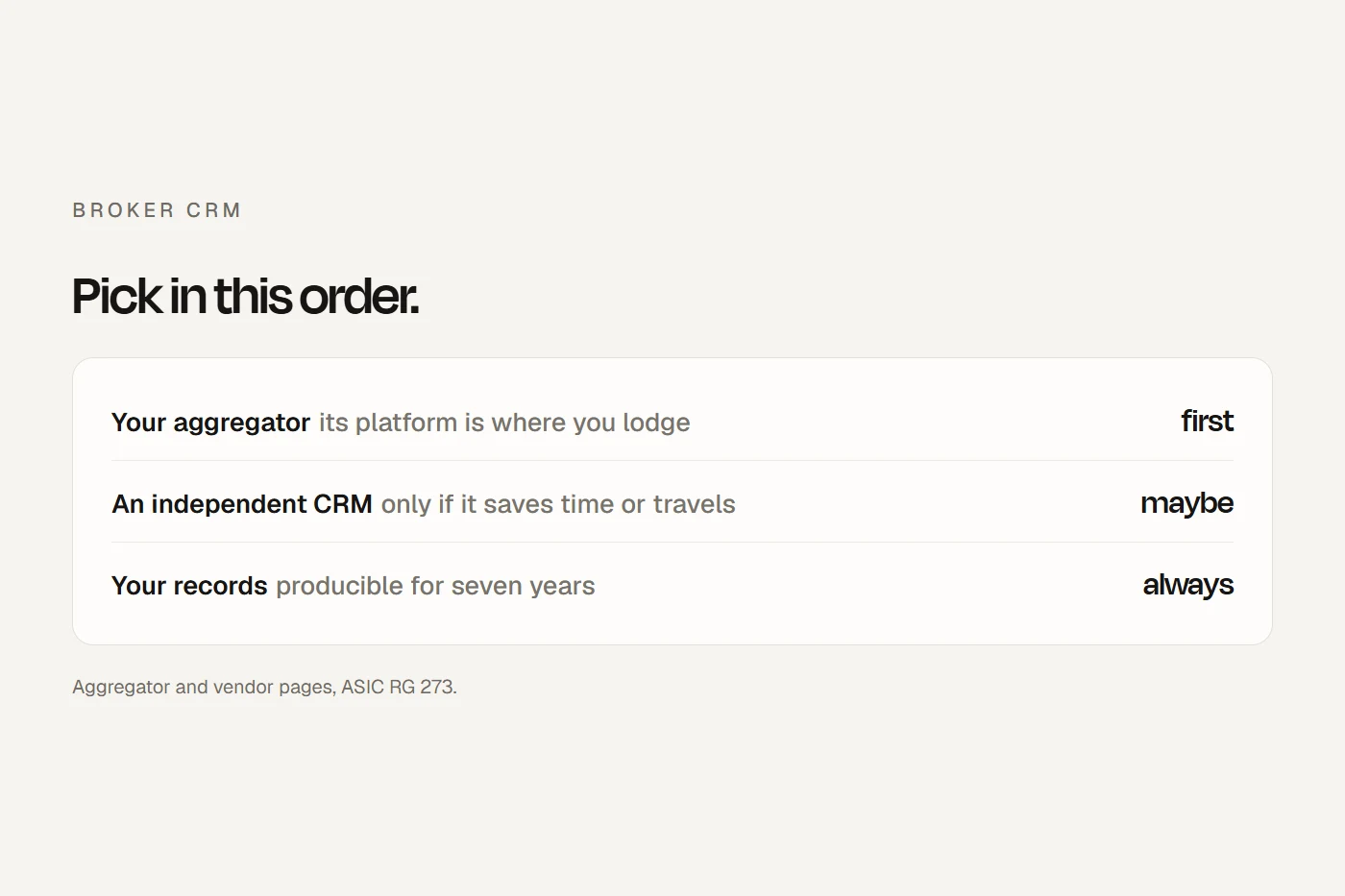
- Your aggregator comes firstConnective, AFG, LMG, Finsure and SFG each include their own platform. Lodgement runs through it.
- Independent CRMs sit alongsideNextGen only connects ApplyOnline to platforms contracted to an aggregator. BrokerEngine Classic, Effi and Lend1 work beside your aggregator's software; you still lodge through it.
- Plan your exit before you joinASIC expects records you can produce years later. Ask in writing what happens to your data, trail and referrers if you leave.
Start with your aggregator
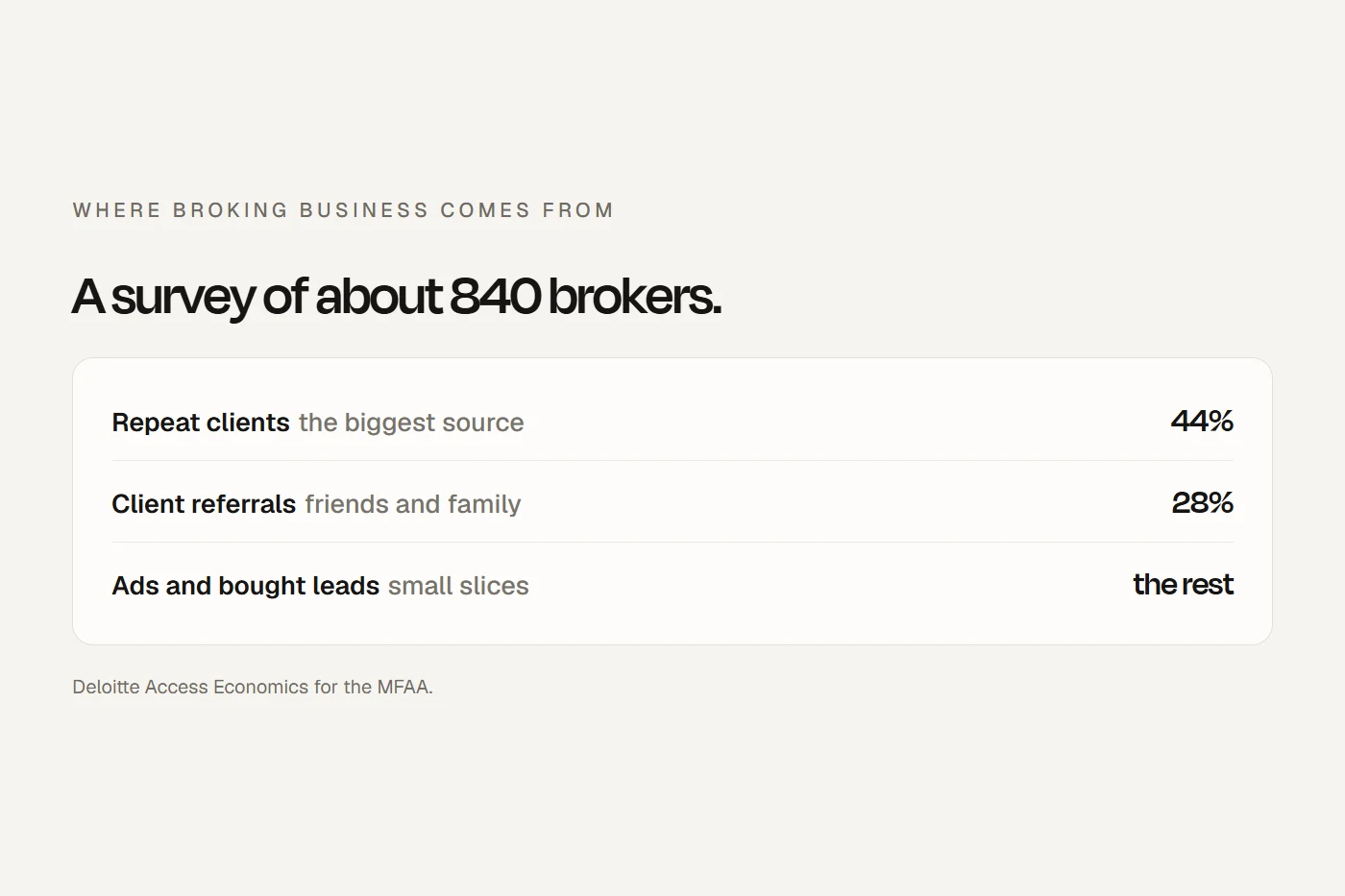
About three in four brokers already use a CRM, according to Deloitte's survey for the MFAA, and nearly all use ApplyOnline every month. NextGen, which runs ApplyOnline, says it doesn't integrate third-party platforms "as a general offering", only platforms "contracted to support a specific Broker Group / Aggregator". That's why your aggregator's platform is the core of your tech:
| Aggregator | Platform | Notes |
|---|---|---|
| Connective | Mercury Nexus | "Included at no extra cost". Lead capture, credit checks, open banking, calculators, compliance workflows and e-signing built in. |
| AFG | Suite360: BrokerEngine Plus, Flex and more | One bundled fee. BrokerEngine Plus lodges directly to ApplyOnline, for AFG brokers only. |
| LMG and Loan Market | MyCRM | Residential, commercial and asset finance in one platform, with AI note-writing and quality checks. |
| Finsure | Infynity, moving to Metanoia | Finsure is replacing Infynity in stages. |
| SFG, Astute, outsource Financial and others | Salestrekker | SFG's SFGconnect runs on it, and Salestrekker lists several more aggregators that use it. |
Scroll the table sideways to see every column.
Connective is the only aggregator I found that publishes its fees: a flat $880 a month per partner group, for up to five loan writers, if you keep all your commission, or a variable plan that shares commission, plus $150 a month per loan writer for membership and $209 a month per loan writer for credit representative licensing, plus group professional indemnity insurance, all before GST. Others quote on request.
Independent CRMs, and what they cost
Independent tools work across aggregators and add things the aggregator platform may do less well: workflow for a team, a client portal, document collection, marketing. You still lodge through your aggregator. The published prices:
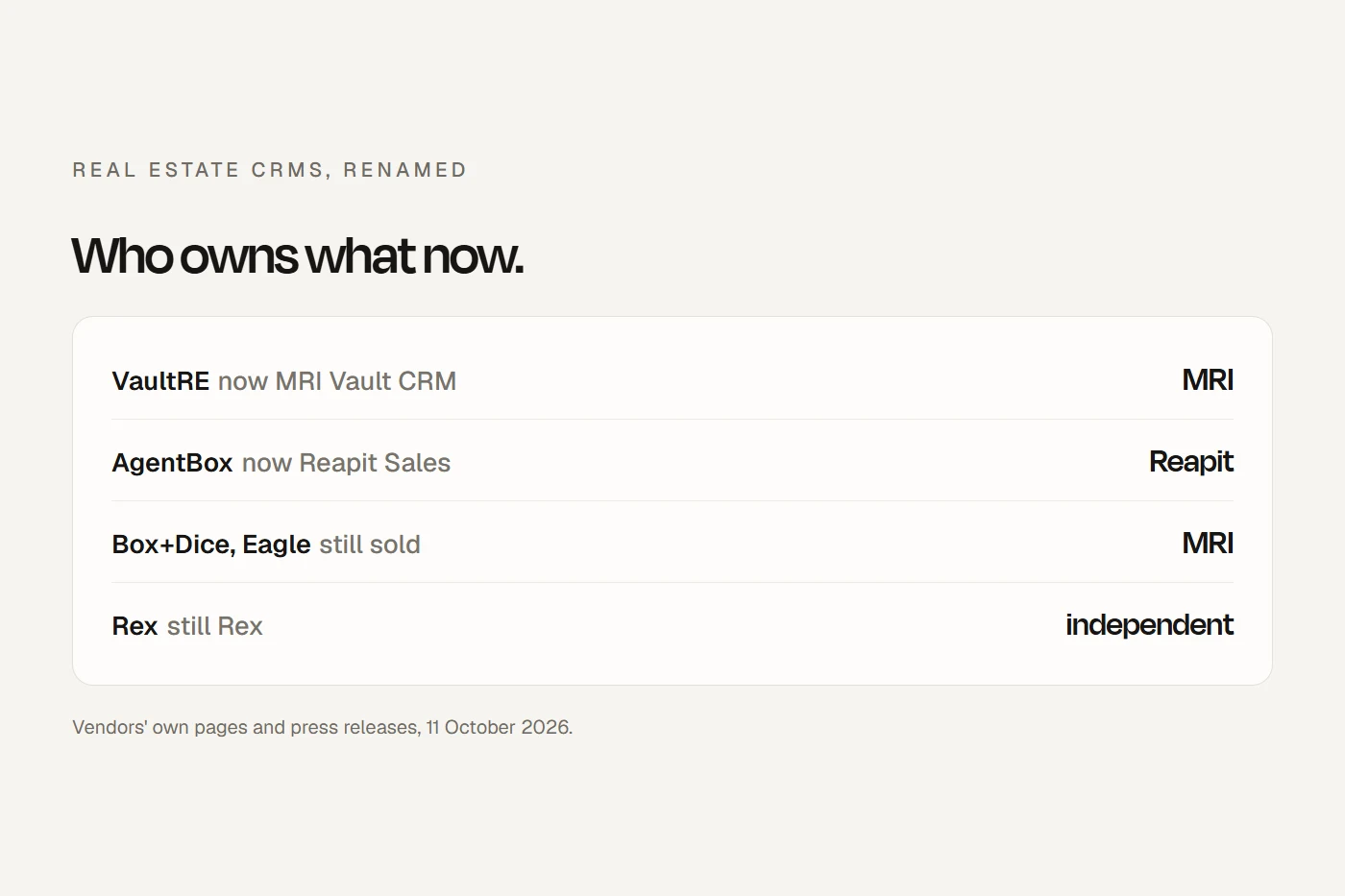
- BrokerEngine Classic: $163.90 a broker a month including GST, or $136.58 paid yearly; support staff $108.90; a one-off $1,000 plus GST setup per broker group. Owned by AFG, sold to brokers at any aggregator.
- Salestrekker: $249.99 a broker a month plus GST, support staff $99.99. Its own FAQ says it "cannot replace" your aggregator's CRM, and a recent post says it's now "aggregator exclusive" for new users, so check you can buy it direct.
- Effi: $180 a broker a month, $120 for non-brokers, no lock-in; GST basis not stated.
- Lend1: a flat price per brokerage: $149 a month for one person, $299 for up to five, $499 for up to ten; GST basis not stated.
Generic CRMs such as HubSpot and Pipedrive don't lodge, generate credit guides or connect to ApplyOnline. They can work as a front end for leads and email, with your aggregator's platform kept as the system of record.
That's on top of your aggregator's fees, and your aggregator's platform is free with membership. The question is whether what you add saves enough time, or gives you enough independence, to be worth it.
What ASIC expects your records to show
ASIC's guide to the best interests duty says it expects brokers "to keep records of how you have acted when providing credit assistance". That includes the responsible lending assessment, the credit guide you gave, what you sent the lender, relevant conversations, the options and your recommendation with the reasons, and any conflicts you identified. Records can be file notes, calculator outputs, fact finds or audio. Separately, the licensee must give a client a copy of their preliminary assessment on request for up to seven years, and MFAA members keep client agreements for at least seven years.
So whatever you choose has to hold those records, and you need to be able to produce them after you've changed software or aggregator. ASIC also expects licensees to review their brokers' records, which is part of why aggregators want your files in their platform.
Features worth checking
- Credit guide, privacy consent and credit proposal generated from the platform, with a record of when you sent them.
- Best interests duty notes attached to each deal.
- Bank data. Most brokers still collect bank statements through screen-scraping tools. Mortgage brokers are a recognised "trusted adviser" class under the Consumer Data Right, so clients can send you verified bank data through an accredited provider, but once it's in your CRM, your own privacy obligations and security protect it.
- Referrers. Your licensee keeps the register of referrers the Regulations require. A referral partner portal in a CRM is useful but doesn't replace the written agreement or the register.
- Where data is stored. BrokerEngine and Lend1 say they host on AWS in Australia, Salestrekker says it stores data in Australia, and Connective says Australian servers. Ask the others.
- Anti-money laundering. The new AML/CTF obligations that started for agents, lawyers and accountants don't name mortgage brokers. AUSTRAC is still reviewing whether some finance broking is caught, and trade press reports brokers needn't act until it decides. Don't choose a CRM for that reason yet.
Your website and your CRM
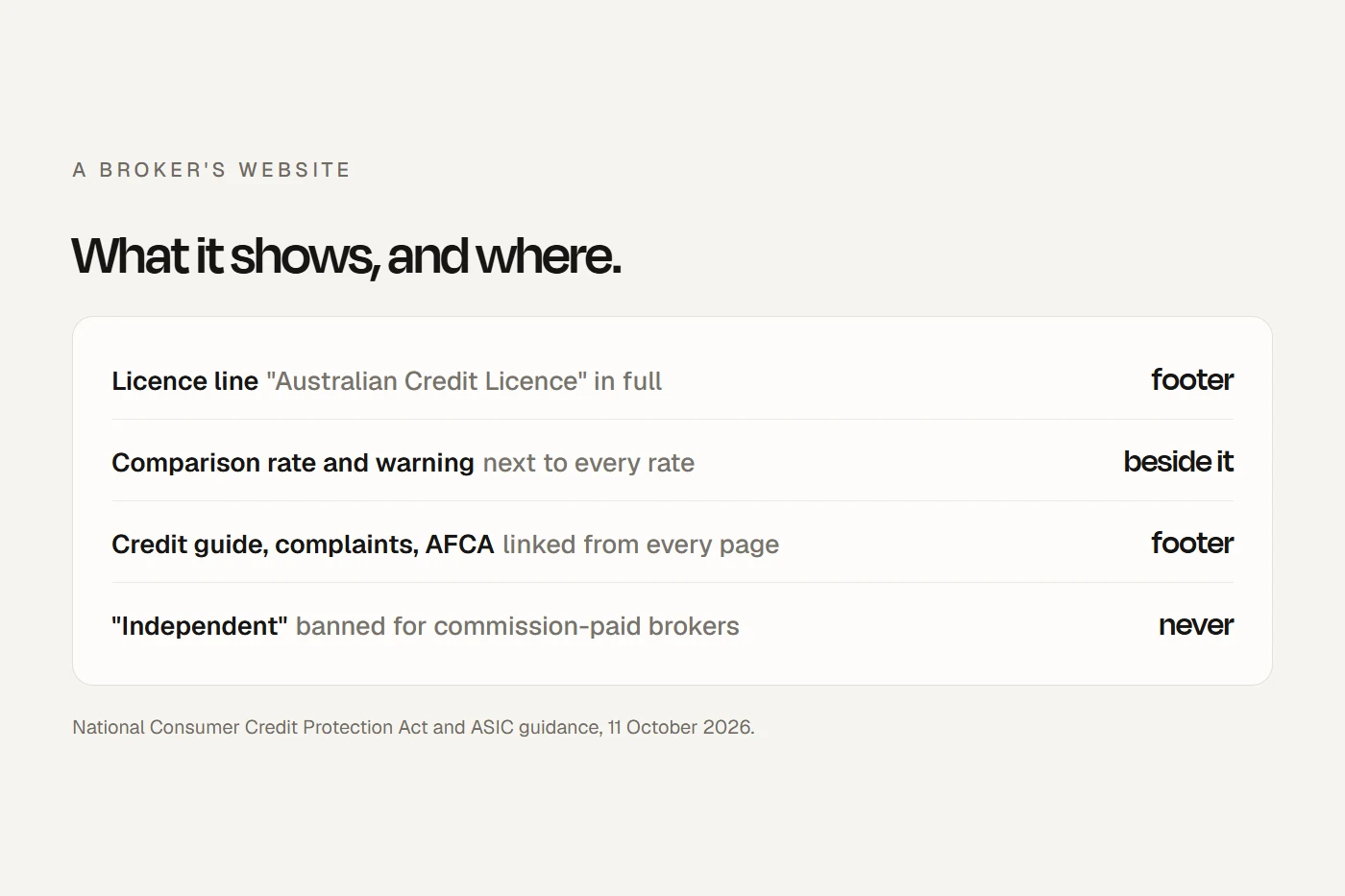
Every serious option can take enquiries from your website straight into the CRM: Mercury Nexus has an HTML lead capture form, Salestrekker has embeddable web forms, BrokerEngine connects through Zapier, and Lend1 has a lead widget and chatbot. Two things to watch. Connective's own help says its lead capture form "does not cross-reference existing records so can create duplicates". And its older contact form can tag every enquirer into newsletter, rate-change and SMS lists by default, which runs into the Spam Act's consent rules for anyone who only asked a question. Put a separate, unticked marketing consent box on the form and only add people to marketing lists when they tick it. My guide to mortgage broker marketing covers the email rules, and what a broker website must show covers the rest.
Which should you look at?
Switching aggregator or CRM
Connective says "you own your trail book. If you ever decide to leave, your trail book goes with you". Historically, other aggregators said the book stays with them and they keep paying your share. I found no ASIC or MFAA rule on who owns a broker's client data, so it comes down to your agreement. Before you move, tick through this. Your ticks save in this browser.
- Get the exit terms in writing: notice period, any fee after you leave, whether trail keeps flowing, and whether it can be held back for clawbacks.
- Ask how you get your data out: the format, what's included, how long after you leave, and the fee.
- Make sure you can still produce records: credit guides, preliminary assessments, best interests notes and client agreements, for seven years.
- Move your referrers properly: new written agreements with the new licensee, and on its referrer register before the first referral.
- Reconcile your trail on the first three commission statements from both aggregators.
- Give new clients the new credit guide from day one, and carry marketing consent records and unsubscribes across.
- Confirm lender accreditations and where in-progress deals will finish.
- Update your website: licence line, credit guide, complaints wording, and re-point the enquiry form to the new CRM. Test that an enquiry lands once.
- Export your email lists with consent flags, and keep the unsubscribe working throughout.
- Export your CPD log before you lose access to the old platform.
My view
Choose your aggregator on the things that matter most, its fees, support and exit terms, and treat its platform as part of that deal. Add an independent tool only if it saves your team real time or gives you independence you value, and check it works alongside your aggregator's lodgement. Whatever you use, get your data and trail terms in writing before you need them, and make sure your website form feeds the CRM cleanly, with marketing consent recorded separately.
Questions I get asked
What software do mortgage brokers use in Australia?
Mostly their aggregator's platform, such as Connective's Mercury Nexus, AFG's Suite360, LMG's MyCRM or Finsure's Infynity, plus ApplyOnline for lodgement. Some add an independent CRM such as BrokerEngine, Salestrekker, Effi or Lend1.
What is the best CRM for mortgage brokers?
It depends on your aggregator. Its platform is included and handles lodgement; an independent CRM is worth adding only if it saves your team time or keeps your workflow if you move.
Can an independent CRM lodge loans to lenders?
Generally no. NextGen only connects ApplyOnline to platforms contracted to an aggregator. BrokerEngine Plus lodges directly, but only for AFG brokers.
Do I keep my trail book if I change aggregator?
It depends on your agreement. Connective says your trail book goes with you; others have historically kept the book and kept paying your share. Get it in writing.
How long do mortgage brokers have to keep records?
A licensee must provide a client's preliminary assessment on request for up to seven years, and MFAA members keep client agreements for at least seven years. ASIC says keeping records only briefly puts you at risk.
About this guide
Written by Joseph Alzein, founder of bdog. bdog builds websites for mortgage brokers and has no arrangement with any vendor or aggregator named here. Prices and features come from each company's own pages, read on 12 October 2026; prices change, so check before you sign. This is general information, not legal or compliance advice.
Main sources: